Supporting highly capable neurodiverse students to thrive
5 min read
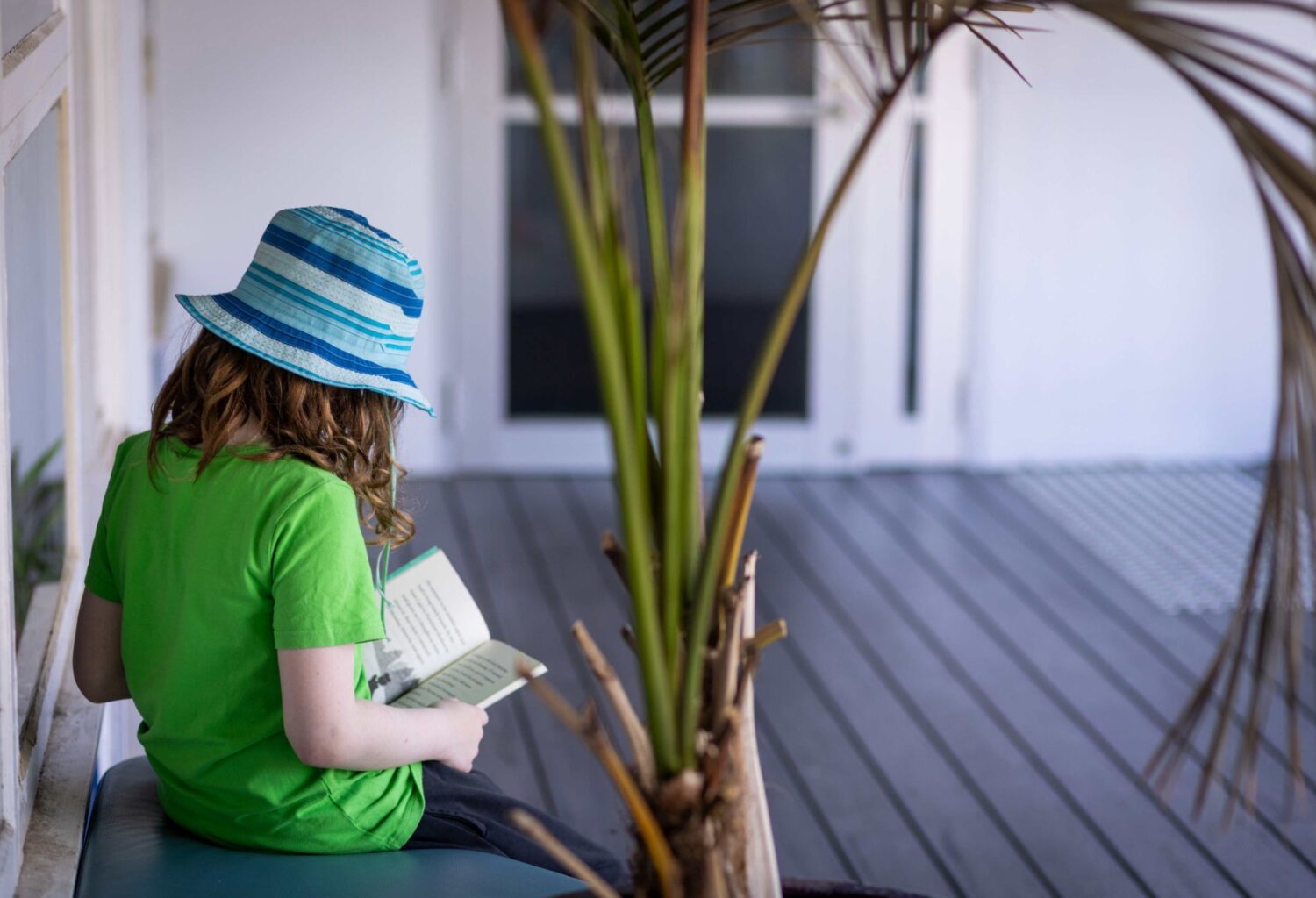
Across Australia, many neurodiverse students struggle to access education in mainstream school settings. While they often possess significant strengths in creativity, problem-solving, critical thinking and innovation, these can be overshadowed by challenges such as anxiety, sensory sensitivities, executive functioning difficulties, social challenges or school refusal.
Too often, these students are defined by what they find difficult rather than recognised for what they are capable of achieving. Over time, repeated experiences of feeling misunderstood or unsuccessful can affect their confidence, engagement and belief in themselves as learners.
Tombolo Academy is an independent specialist school in Hampton supporting highly capable neurodiverse students from Years 3 to 10. Many of our students come to us after finding that a mainstream school environment has not been able to meet their learning, sensory, social or emotional needs.
Some arrive believing they are “bad at school” or that they simply do not fit in. However, behind these experiences are often highly intelligent, curious and creative young people whose strengths have not had the opportunity to emerge.
Their experiences demonstrate an important truth: when the environment changes, students can flourish.
When capability is hidden by challenge
Highly capable neurodiverse students often experience a complex combination of strengths and challenges. A student may be working well above their expected level in one area while requiring considerable support with organisation, emotional regulation, sensory processing, communication or social expectations.
In a busy classroom, these differences can become significant barriers to learning. Noise, frequent transitions, large class sizes, social pressure and inflexible teaching approaches can leave students feeling overwhelmed or misunderstood.
Many neurodiverse students also expend enormous amounts of energy trying to mask their differences throughout the school day. They may appear to be coping at school but return home exhausted, distressed or unable to regulate their emotions.
For some students, this eventually leads to disengagement, declining self-esteem, behavioural challenges, reduced attendance or school refusal. Families can find themselves watching a once-curious child lose confidence in their abilities and their enjoyment of learning.
These experiences are not an indication that the student lacks ability or potential. More often, they indicate that the learning environment is not providing the conditions the student needs to succeed.
Recognising the strengths of highly capable learners
Being highly capable does not mean that a student will find every subject easy or consistently achieve high grades.
Capability may be demonstrated through advanced reasoning, strong verbal skills, creativity, intense curiosity, detailed knowledge, original thinking or an ability to make connections that others may not immediately recognise. At the same time, the student may struggle to begin tasks, manage uncertainty, communicate their needs or demonstrate their understanding in traditional ways.
At Tombolo Academy, we begin by getting to know the individual student. We seek to understand their strengths, interests, barriers, previous school experiences and the conditions that help them feel safe enough to learn.
This strengths-based approach moves beyond asking, “What is this student unable to do?” Instead, we consider what the student can achieve when the right support, relationships and learning environment are in place.
A student’s interests can also provide an important pathway back into education. Connecting learning with areas that are meaningful to the student can increase motivation, encourage participation and gradually rebuild confidence.
What personalised learning looks like at Tombolo
Supporting neurodiverse students does not mean lowering expectations. It means adapting how students access learning so that they have a genuine opportunity to succeed.
At Tombolo Academy, small classes allow teachers to understand students closely and respond to their individual learning and wellbeing needs. Personalised learning plans, flexible teaching approaches and clear routines help students know what to expect and reduce unnecessary barriers.
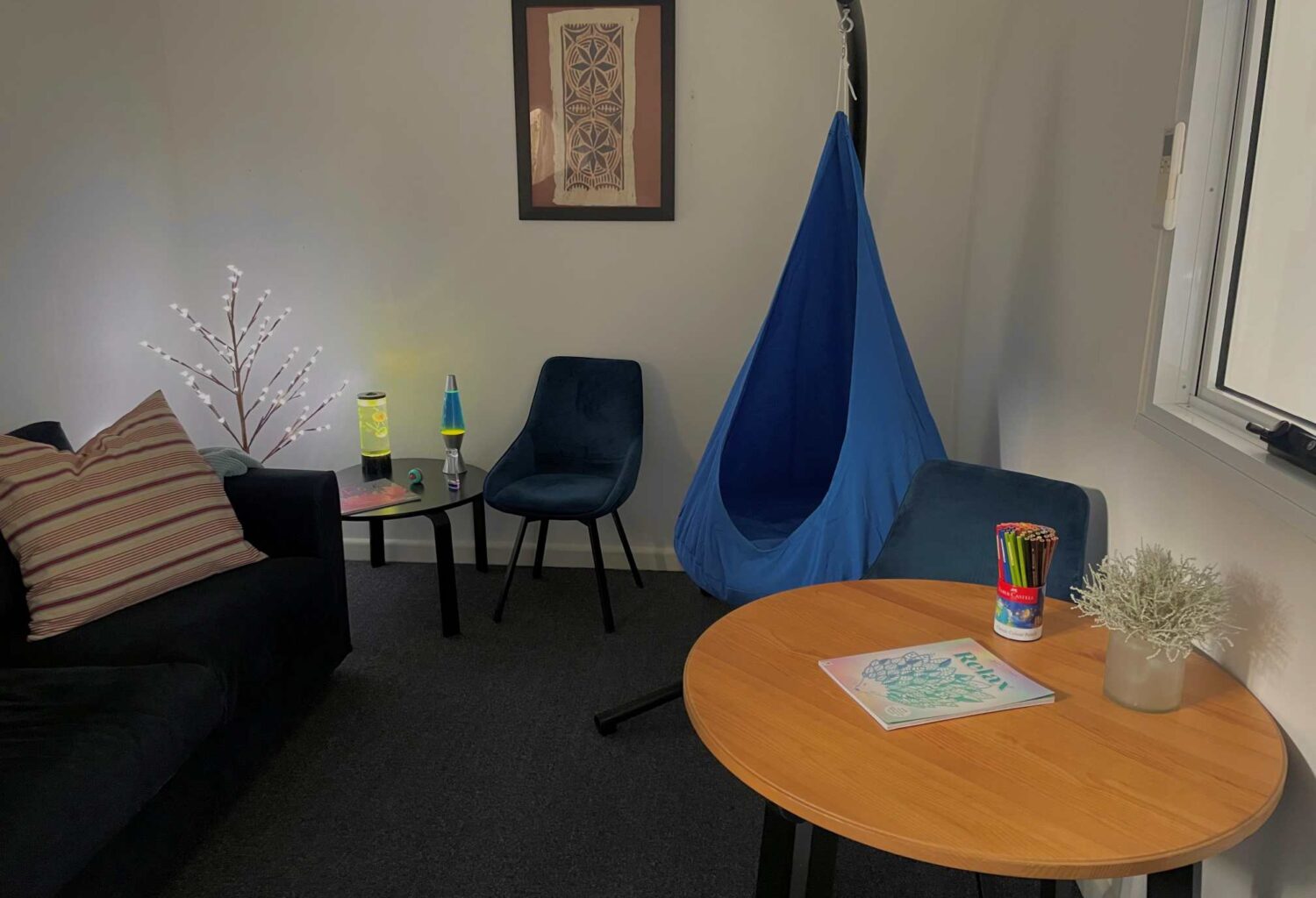
Our learning environments are designed to provide greater flexibility than many students have previously experienced. Students may benefit from sensory supports, movement and regulation breaks, alternative ways of completing work or additional time to process instructions.
Teachers can adjust the level of challenge, the way information is presented and how students demonstrate their understanding. This allows students to work towards meaningful academic goals without being prevented from participating by difficulties that are unrelated to their actual capability.
Strong relationships are central to this approach. Students are more likely to engage, attempt challenging work and accept feedback when they feel safe, respected and understood by the adults supporting them.
We also recognise that education cannot be separated from wellbeing. Students are supported to develop self-awareness, emotional regulation, communication, social understanding and the ability to advocate for their own needs.
Close partnerships with families are equally important. Parents and carers bring valuable knowledge about their child, while educators can provide insight into how the student learns and interacts at school. Working collaboratively helps create greater consistency and ensures that decisions remain centred on the individual young person.
Reconnecting students with learning
Many students arrive at Tombolo carrying the weight of difficult previous school experiences. They may be reluctant to participate, fearful of making mistakes or uncertain about whether they can trust the adults and students around them.
Re-engagement does not always happen immediately. It is built gradually through predictable routines, positive relationships and repeated experiences of success.
Over time, we see students begin to enter classrooms more confidently, contribute ideas, attempt unfamiliar tasks, develop friendships and take pride in their work. Students who previously avoided learning may begin to rediscover their curiosity and recognise that they are capable of achieving more than they believed.
This transformation is not simply about academic progress. It is also about helping young people see themselves differently, not as students who have failed, but as learners with individual strengths, talents and potential.
Creating a place of belonging
Every child deserves to feel that they belong at school.
For some highly capable neurodiverse students, a smaller specialist environment can provide the understanding, flexibility and individualisation they need to reconnect with education. It can create space for their strengths to become visible rather than remaining hidden behind anxiety, overwhelm or disengagement.
At Tombolo Academy, our goal is not to change students so that they fit a particular model of schooling. It is to create a learning environment that recognises who they are, responds to what they need and supports them to grow in confidence, independence and capability.
When young people feel safe, accepted and genuinely understood, they are more willing to take risks, build resilience and engage with learning.
When the environment changes, their experience of school can change too.
If your child is highly capable but has become anxious, disengaged or unable to thrive in their current school environment, Tombolo Academy may offer a different pathway. Families are encouraged to visit the Tombolo Academy website to learn more about the school, review the eligibility criteria and explore the enrolment process.
Related Articles
Dr Helen Schiele, Principal Consultant and Senior Early Childhood Specialist, ISV / 22 June 2026
Child Safety in Early Childhood Settings
2 min read
Explore how the Child Safe Standards support safer early childhood settings through strong governance, training, leadership, and a culture that places children’s wellbeing at the centre.
Lorna Beegan, Principal, Strathcona Girls Grammar / 17 June 2026
In a world of conflict, how do we raise informed, not overwhelmed, children?
2 min read
James Sach, Head of Pedagogy and Curriculum / 03 June 2026
How Fintona empowers staff to bring up-to-date research into the classroom
3 min read
Fintona Girls’ School partners with UQ Learning Lab to bring education research into classrooms, strengthening evidence-informed teaching and student learning at Fintona.