How Fintona empowers staff to bring up-to-date research into the classroom

3 min read
At Fintona Girls’ School, we are bringing educational research to life in the classroom through our participation in the 2026 University of Queensland Learning Lab Partner Schools Program. The research-practice partnership empowers educators to engage deeply with the Science of Learning and translate research into meaningful, everyday teaching.
The partnership builds on a broader philosophy of professional inquiry already embedded within our school. Our decision to join the program was shaped by earlier experience with the Learning Lab model and its impact on teaching. ‘I’ve seen the positive impact on staff and students. It is vital that we provide opportunities for our staff to investigate elements of their practice, and the support of the UQ team ensures that what we do is evidence-informed.’
Our Learning Area Leader, English, Michelle Maglitto, emphasises the importance of moving beyond established practice alone. ‘Engaging with current educational research is a core professional responsibility. Teaching is deeply personal and constantly evolving,’ she says. ‘Relying solely on established practice risks anchoring my work to methods that no longer reflect what we know about how people learn.’ She adds that evidence-informed practice allows teachers to integrate research with professional expertise and the needs of their students, positioning them as ‘critical thinkers who make deliberate, informed decisions every single day’.

To support this culture, Fintona has introduced a range of initiatives designed to bring evidence-informed practice closer to the classroom. Alongside participation in the UQ program, we are also engaging staff through structured professional learning opportunities. ‘We have also commenced a research reading group this year and ran a research breakfast earlier this year where a UQ academic came and spoke to a group of our staff.’ These initiatives aim to build shared language and understanding around evidence-based practice across the school.
In the classroom, research is already shaping practical teaching strategies. Michelle highlights how insights from cognitive science are shaping her lesson design. ‘One of the most practice-changing insights for me has been the confirmation that the human brain cannot truly multitask and task-switches instead,’ she explains. ‘We now deliberately pause and give students dedicated time to record their thinking immediately afterwards.’ She also points to the use of mini whiteboards as a simple but powerful tool for immediate feedback, allowing teachers to gauge understanding in real time and adjust instruction accordingly.
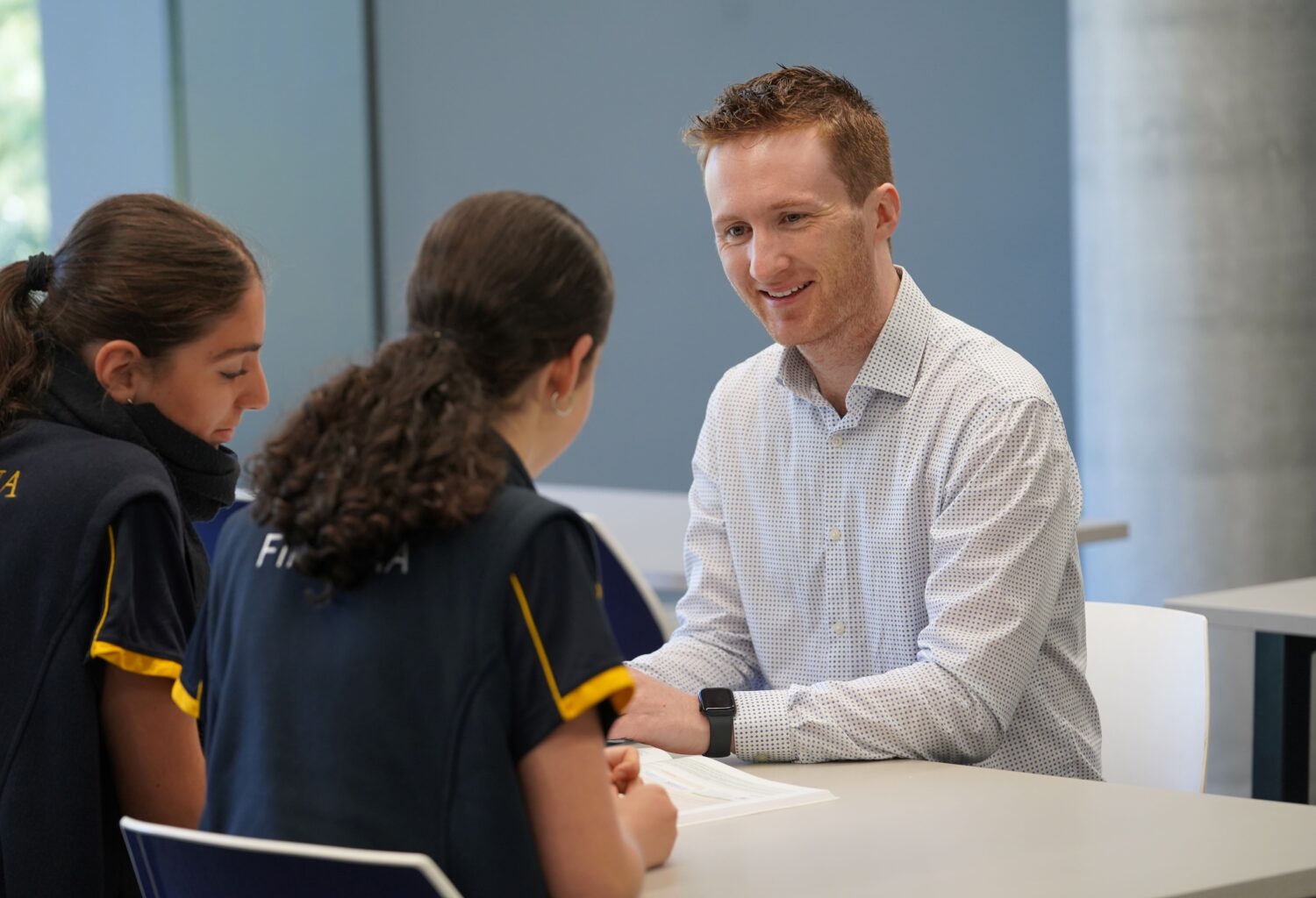
Early insights from the project are already proving valuable. Our Head of Middle School, Justine Hamilton, notes that working directly with students through Think Aloud interviews has been particularly revealing. She also points to a growing culture of openness to feedback among students. ‘Students genuinely want feedback, will seek it and read it, yet often don’t know how to interpret it or act on it,’ she says. ‘Perhaps most profoundly, the data confirmed that learning is a deeply emotional experience, with students responding emotionally first when receiving feedback, before any cognitive processing begins.’
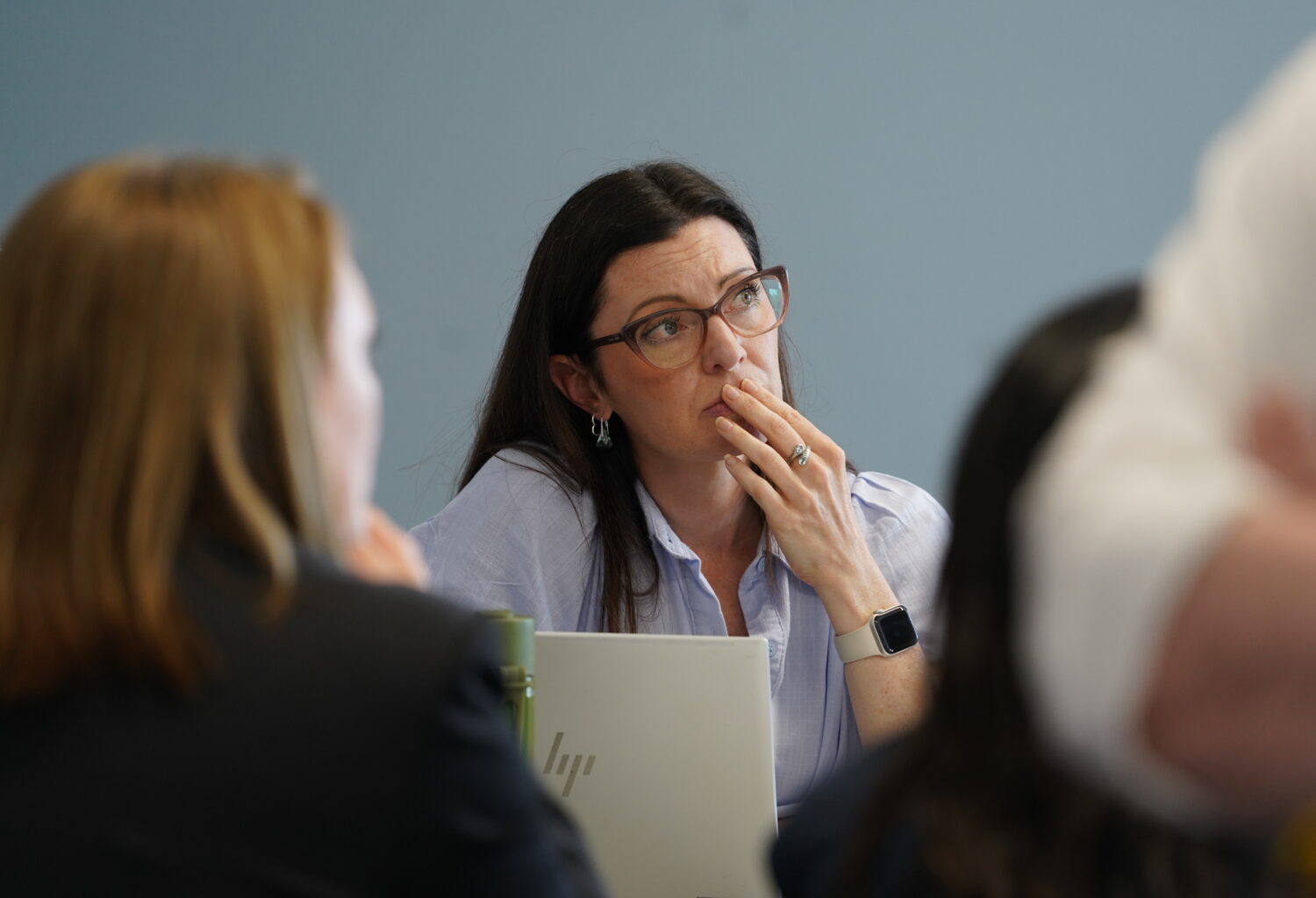
Participation in the UQ partnership also reinforces our commitment to professional learning and evidence-based education. Michelle describes the partnership as a deliberate commitment to growth and contribution.
“It demonstrates that we are actively contributing to the generation of knowledge that shapes the future of education,”
‘It positions us as a school where professional learning is lived and modelled, where teachers are researchers and critical thinkers.’ she says.
For many of our staff, the project has also been personally energising. Justine reflects that engaging in research keeps teaching purposeful and dynamic. ‘It matters to me because remaining curious and engaged in research is energising. It keeps the work fresh, sharpens what I know, and allows me to co-design learning experiences with real intention.’ Michelle adds that this culture of curiosity is one we model for students at Fintona. ‘Curiosity, reflection and a willingness to question are not just expectations we hold for them, but values we live ourselves.
Related Articles
Stanley Wang, Deputy Principal (One Haileybury) / 20 May 2026
Why learning a language still matters in the age of AI
5 min read
Exploring why language education remains essential for building cultural understanding, global competence and authentic human connection in an AI-driven world.

Ross Grace, Executive Principal of Heathdale Christian College and ISV Board Member / 04 May 2026
Growing with purpose: Why demand is rising at Heathdale Christian College
3 min read
Discover why demand is growing at Heathdale Christian College, as Executive Principal Ross Grace shares insights on enrolments, values-driven growth and community impact.
Brendan Hunt, ISV's Head of Professional Learning / 28 April 2026
The Future of Professional Growth for School Staff: Balancing Time, Rejuvenation and Teacher Agency
3 min read
A new professional learning approach that supports teachers with flexible time, expert-led insights, and peer collaboration to boost growth and agency.