In a world of conflict, how do we raise informed, not overwhelmed, children?
2 min read
In the months since ANZAC Day, we have been reminded that World War I’s promise of a ‘war to end all wars’ was never realised, and that peace has always been fragile rather than assured. Conflict has not disappeared from the modern world, but what has changed is its pervasive reach into our daily lives, especially those of our children.
War and violence surface daily through phones, algorithms, and fragmented headlines; often before they can be fully understood. In the constant stream, meaning struggles to cut through all the noise. For parents, educators and society at large, the task is no longer deciding whether young people should know what is happening, because they already do. The challenge is how we help them make sense of the world they are inheriting without being consumed by its contradictions and complexities.
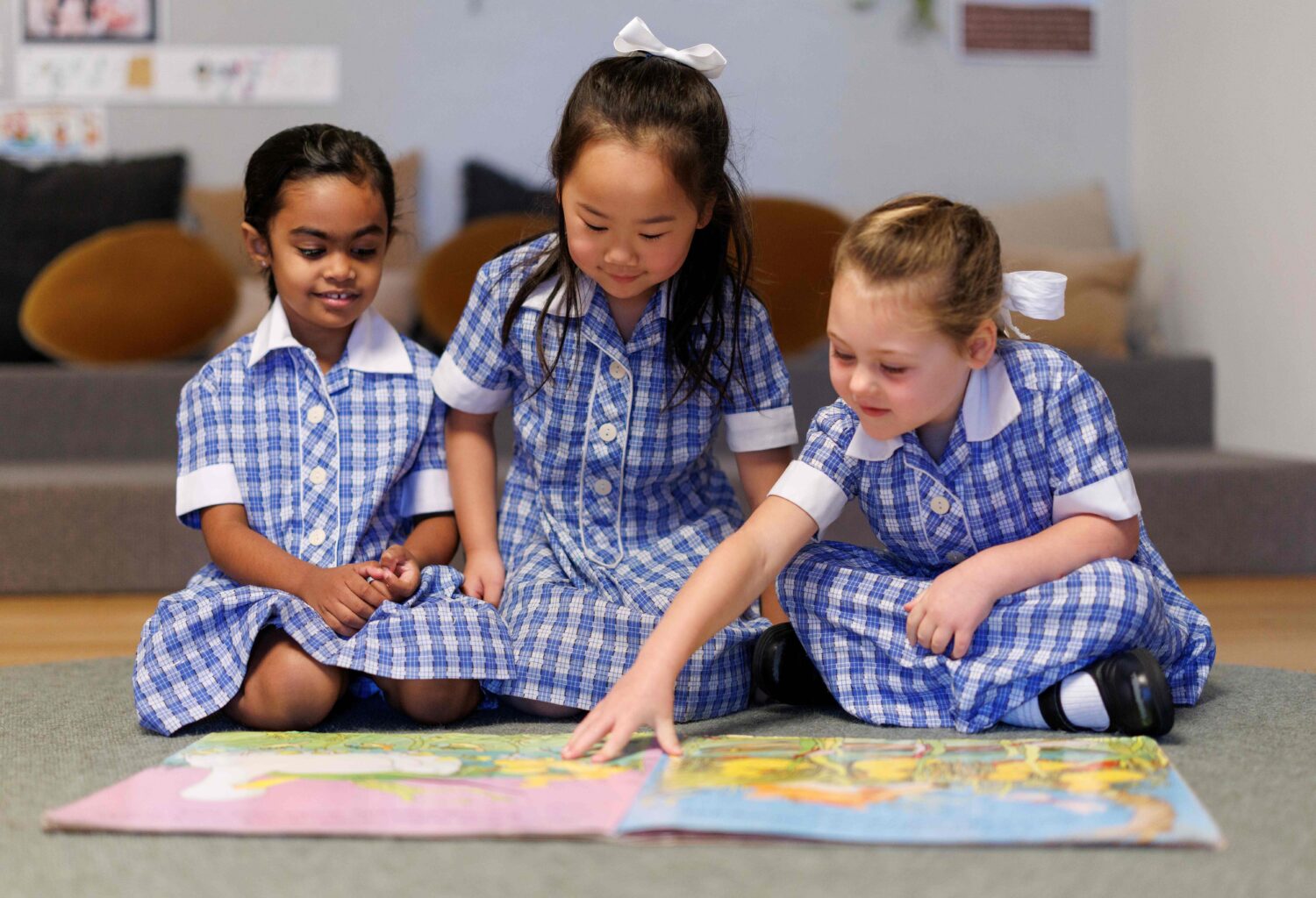
Our young people need scaffolding and adults willing to sit beside them and say, ‘This is complicated. Let’s stay with it’. Conversations matter. So does hearing and listening to stories of people who lived through upheaval, of times when progress was slow and imperfect, of moments when thoughtful action was possible even without clarity. Recognising that uncertainty is not new helps children orient themselves with greater confidence, rather than being overwhelmed by the immediacy of the present.
Learning about the past draws our attention backward so we can see more clearly ahead. Through history in particular, young people learn that the past is not settled but contested: shaped by perspective, power, and memory. They come to see that people act within circumstances without being excused by them, and that harm can be explained without being justified. Every narrative carries intention. Every memorial reflects not only who is being remembered but also who chose to remember them and why. In this way, history teaches that disagreement and discomfort have always been part of the human condition.
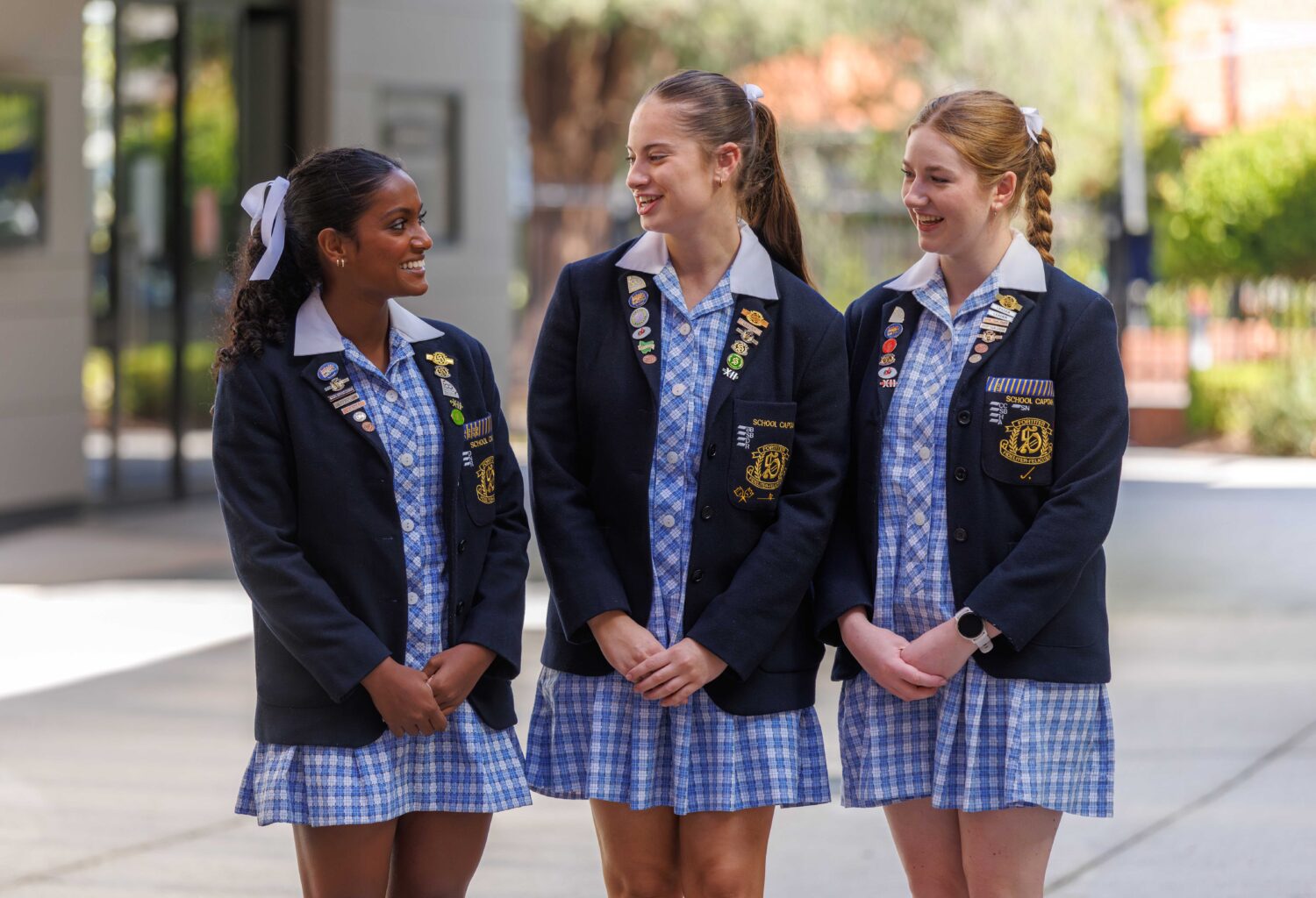
Many parents continue to ask me whether children should be shielded from global conflict. The impulse is understandable, and the age of children must be taken into consideration, but it rests on a mistaken assumption that shielding and silence equal care and protection.
Drawing on a growing body of research across education, psychology, and youth development, a clear pattern is emerging in how young people encounter global crises. Studies echo what teachers see daily: many young people, particularly girls, engage acutely and empathetically with world events, and the greatest risk arises not from knowing too much but from carrying that knowledge alone. What unsettles young people most is not what they know, but rather it is being left to make sense of it without adults willing to listen and, contextualise.
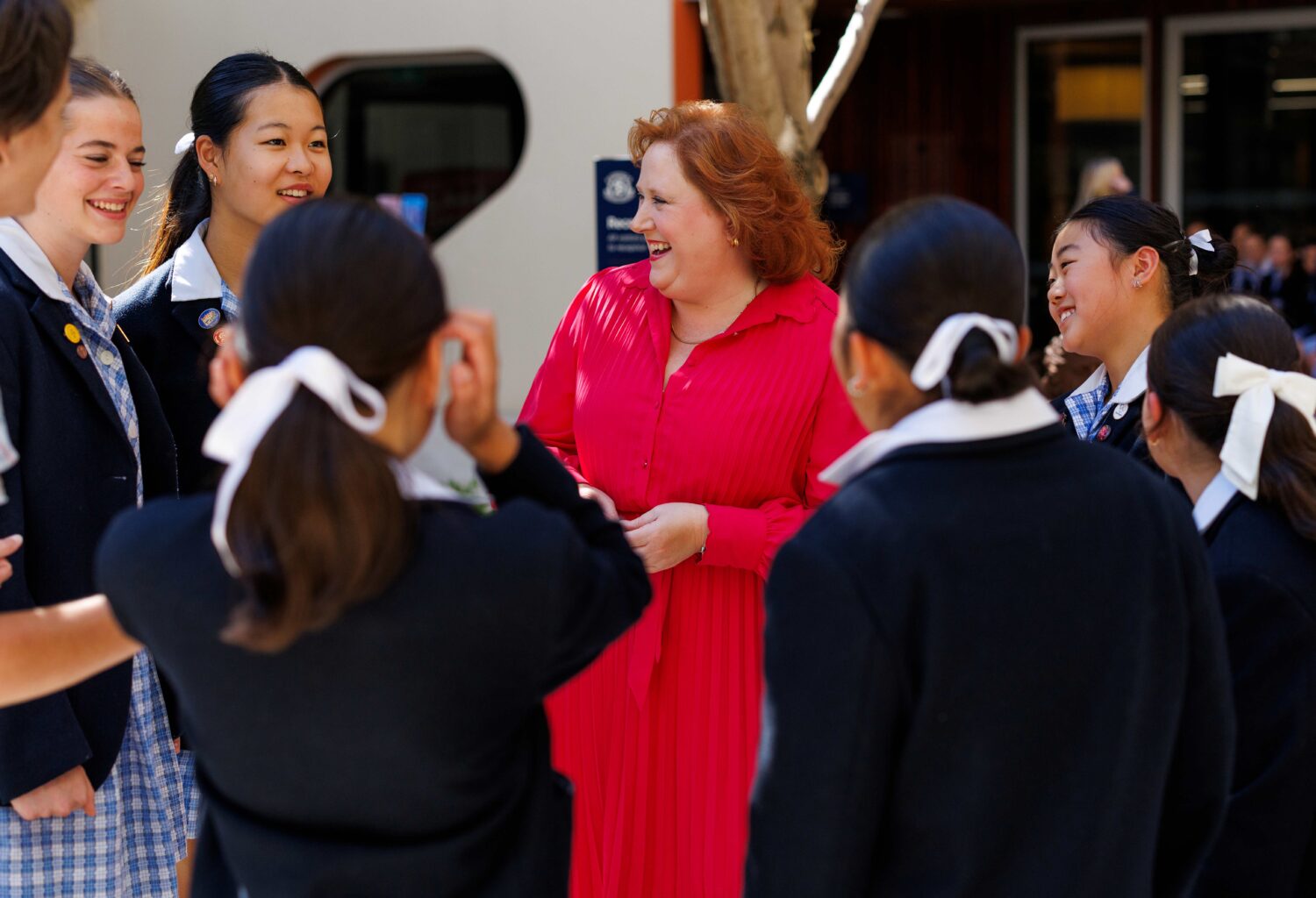
Our young people must discover that optimism is not naïveté but a form of resilience shaped by disorder, discomfort, and the willingness to remain engaged when clarity is absent. What deserves to be offered to us all is permission to doubt, to take time, to think historically, and to recognise that responsibility does not depend on certainty.
Related Articles
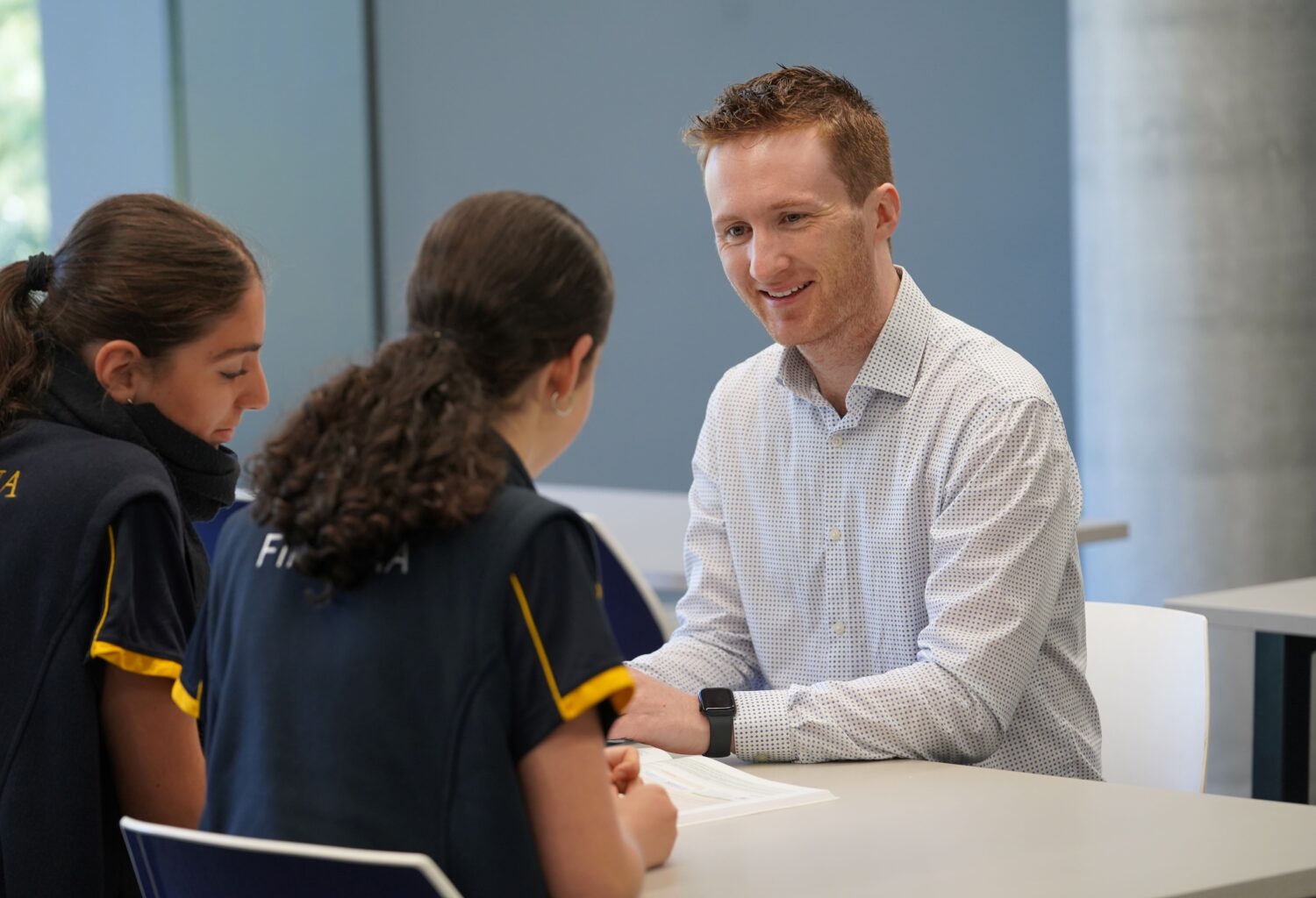
James Sach, Head of Pedagogy and Curriculum / 03 June 2026
How Fintona empowers staff to bring up-to-date research into the classroom
3 min read
Fintona Girls’ School partners with UQ Learning Lab to bring education research into classrooms, strengthening evidence-informed teaching and student learning at Fintona.
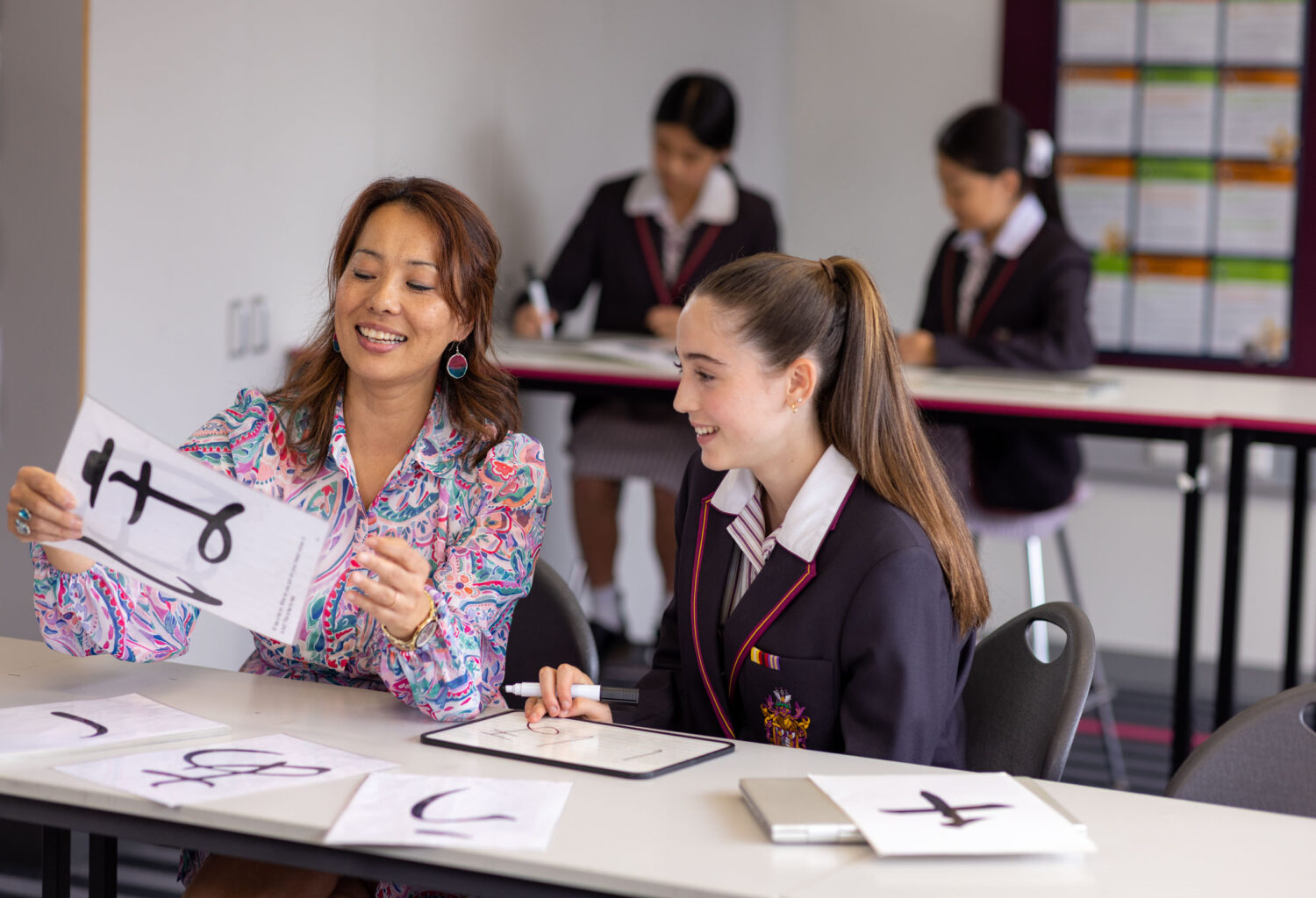
Stanley Wang, Deputy Principal (One Haileybury) / 20 May 2026
Why learning a language still matters in the age of AI
5 min read
Exploring why language education remains essential for building cultural understanding, global competence and authentic human connection in an AI-driven world.
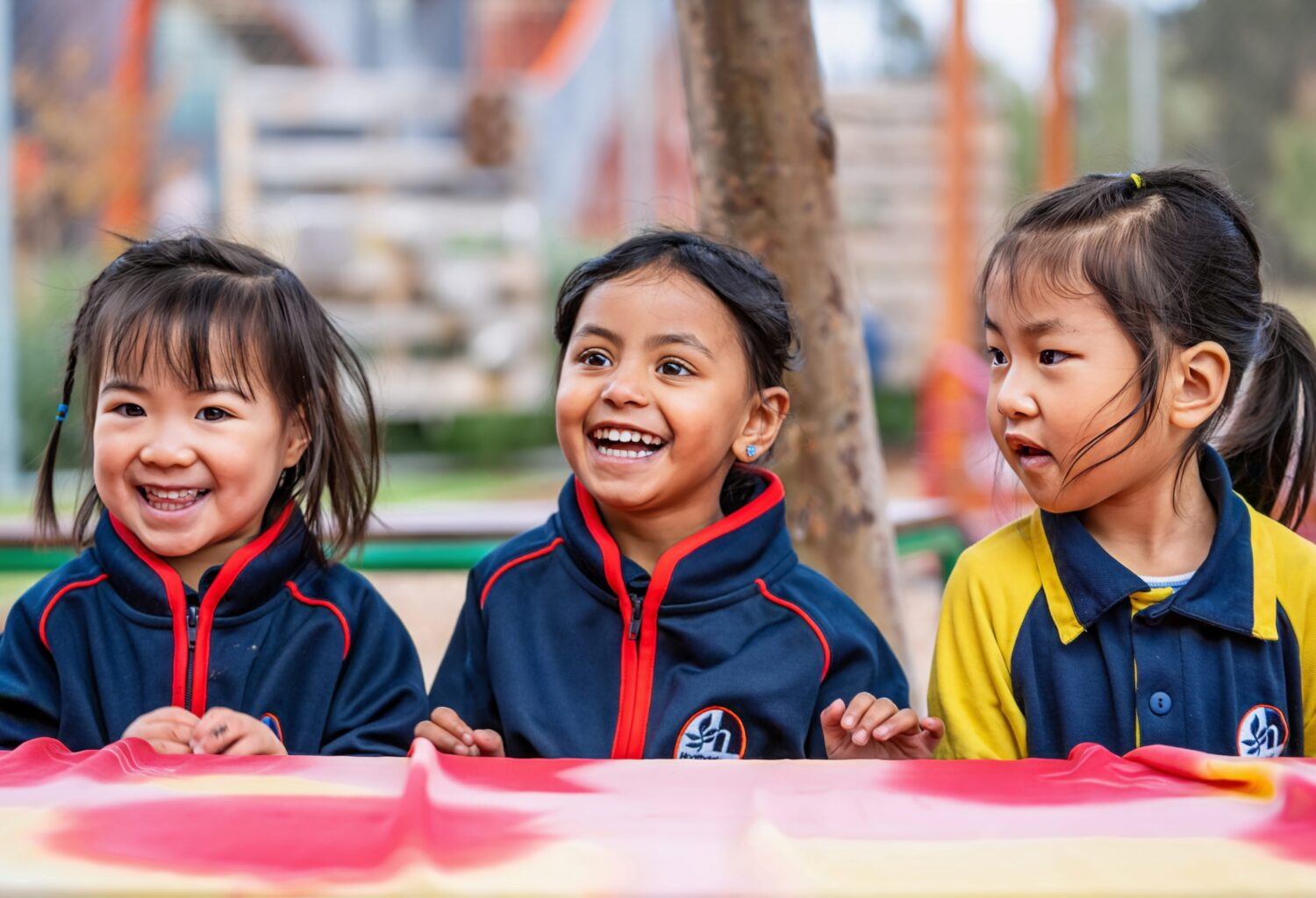
Ross Grace, Executive Principal of Heathdale Christian College and ISV Board Member / 04 May 2026
Growing with purpose: Why demand is rising at Heathdale Christian College
3 min read
Discover why demand is growing at Heathdale Christian College, as Executive Principal Ross Grace shares insights on enrolments, values-driven growth and community impact.