A tolerance for uncertainty
3 min read
I see this play out every year.
A student desperately wants to go on a particular camp, maybe because its where their friends are going or maybe it’s just what they want to do. Then allocations come out and they’ve been placed into something else. They’re disappointed, they’re anxious and sometimes they’re really upset.
‘But who will I talk to?’
I’ve had this conversation many times over the years, with students, with their parents and often with both.
And yet, a few days later, the same student comes home with a completely different story.
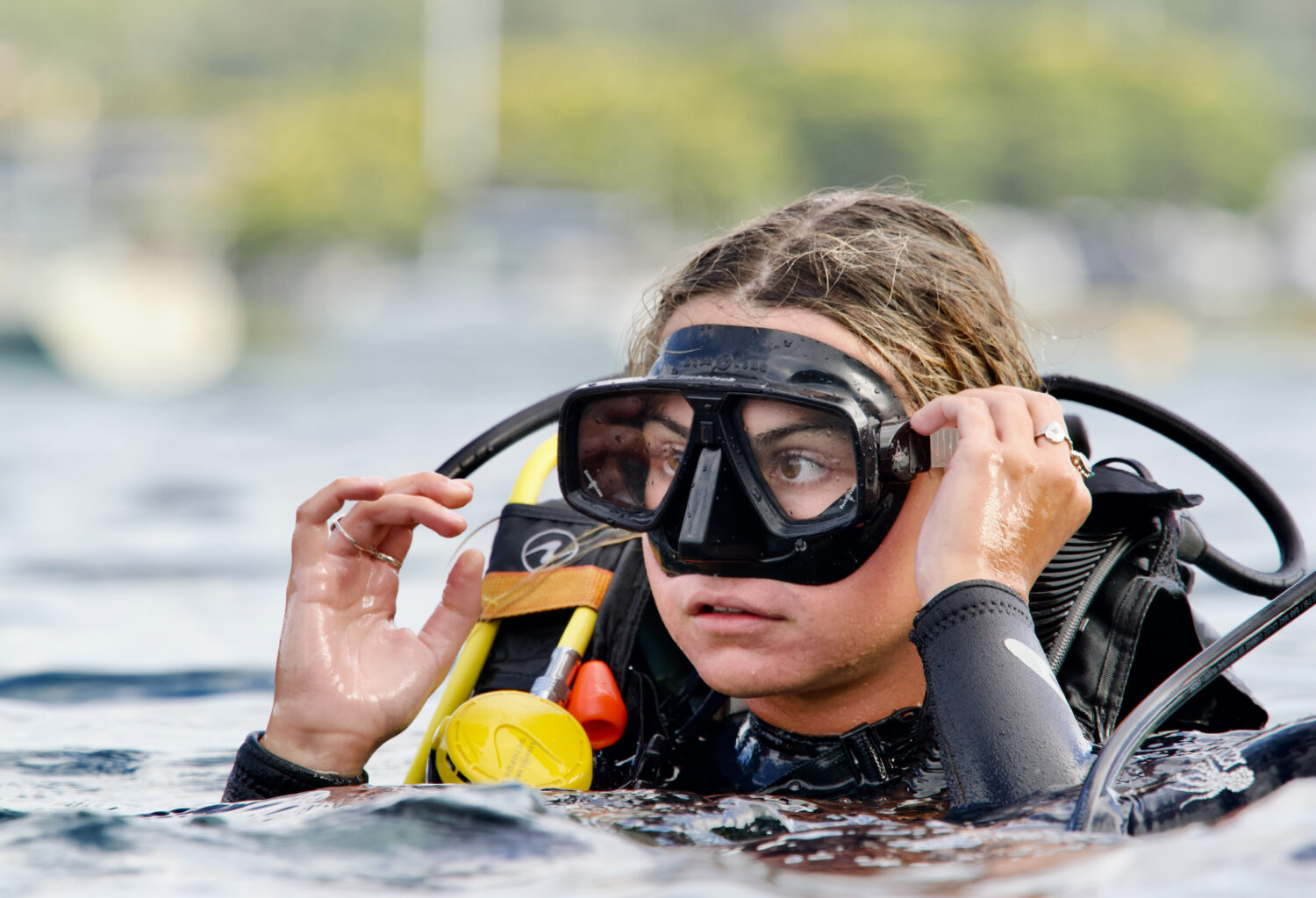
They’ve made new friends. They’ve discovered they’re capable of more than they thought. They’ve found confidence in an unfamiliar environment. More often than not, they tell me a different version of the same thing:
‘I’m so glad I ended up there.’
As a teacher who has spent many years leading camps and outdoor education programs, I’ve come to believe these moments matter more than we realise.
We want young people to pursue their interests, have their voices heard and shape their own pathways – these are all good things – but somewhere along the way we’ve become uncomfortable with uncertainty. When things don’t go to plan, our instinct as parents is to step in, negotiate or find a workaround.
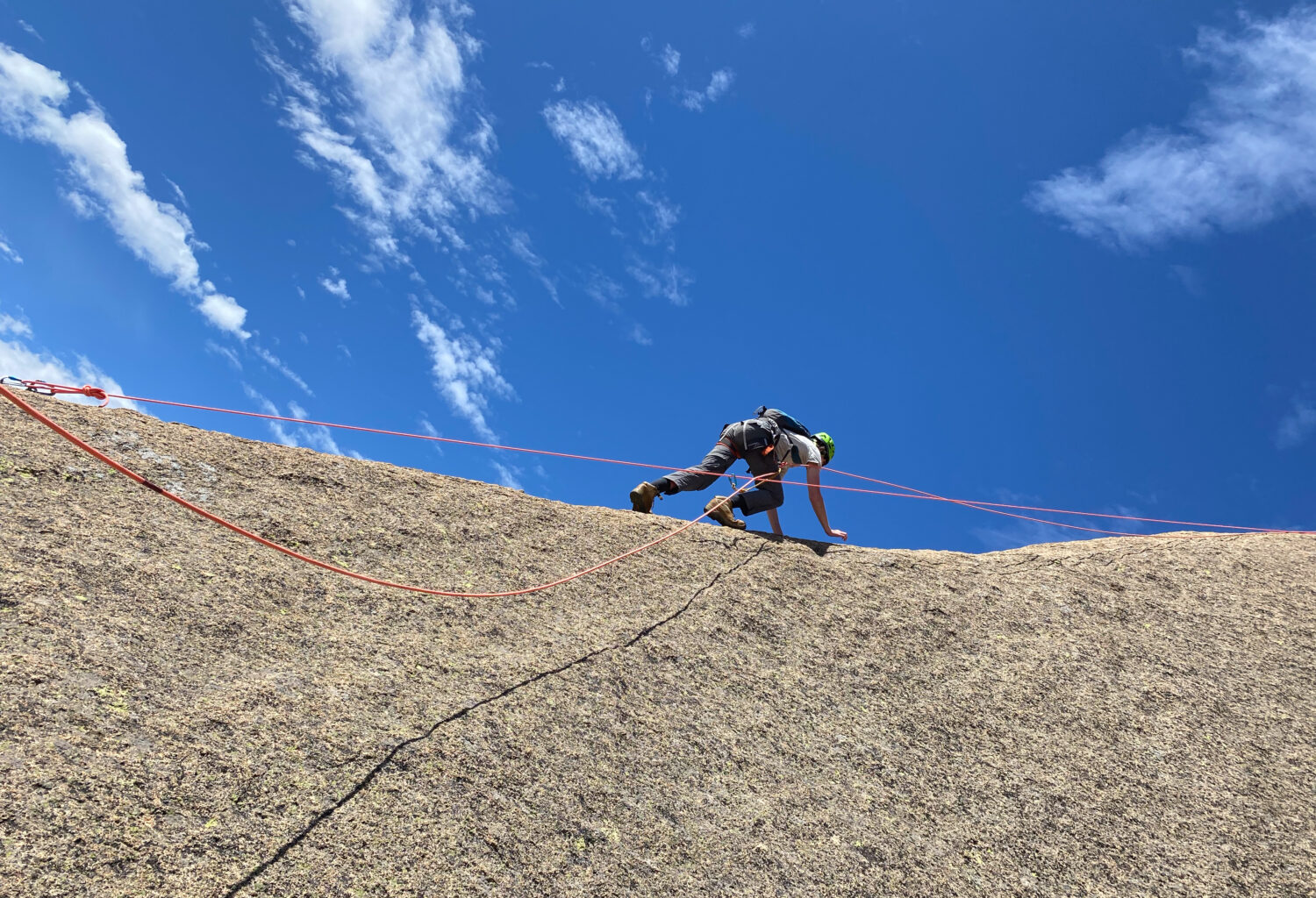
But, disappointment has value. Learning to navigate and to tolerate uncertainty is one of the most important skills young people can develop. Outdoor education creates endless opportunities to practise this. Students arrive with expectations about their activity, the people around them and how the days will unfold. Then the weather changes, the plans move, group dynamics become challenging or something, anything feels harder than they had expected.
In those moments they can learn something far more valuable than the rock climbing or the scuba diving. They learn that they can actually adapt, and that other people are feeling the same way they are. They learn that resilience doesn’t have to be a buzzword or a wellbeing program because in these moments it’s actually a real, lived experience.
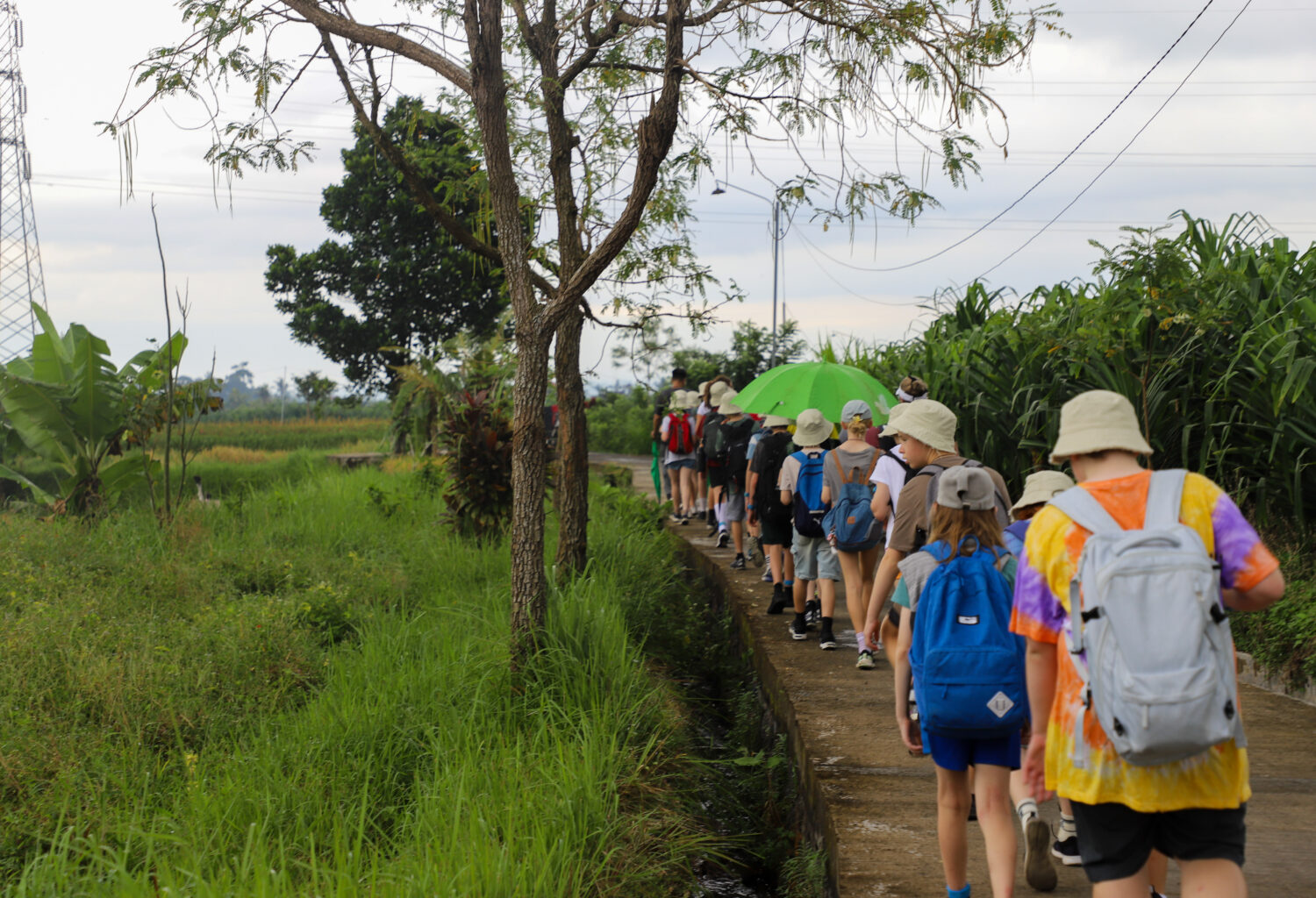
I see this most clearly during our Year 10 Hattah program. Students spend time in tough conditions, working closely with peers they might not choose to spend time with otherwise. They work together, problem-solve and help each other even when they’re tired, cold and hungry.
Again and again, the students who gain the most from these experiences are not the ones who had everything go their way – they had fun, sure, but maybe last year they didn’t get their first choice, maybe it’ll be next year. But this year the ones who were able to rally and respond when it didn’t go their way came home a little taller, the lesson has value well beyond camps.

Circumstances can change and success depends less on controlling outcomes than on responding healthily when those outcomes don’t match our initial expectations. That’s why I often think of those conversations had before camp. The nerves, the apprehension is very real but the rewards that come afterwards are too.
Whether or not young people get their first choice becomes secondary to realising they can thrive even when they don’t.
Related Articles
Marianne Dienes, Principal Consultant, ISV / 31 August 2026
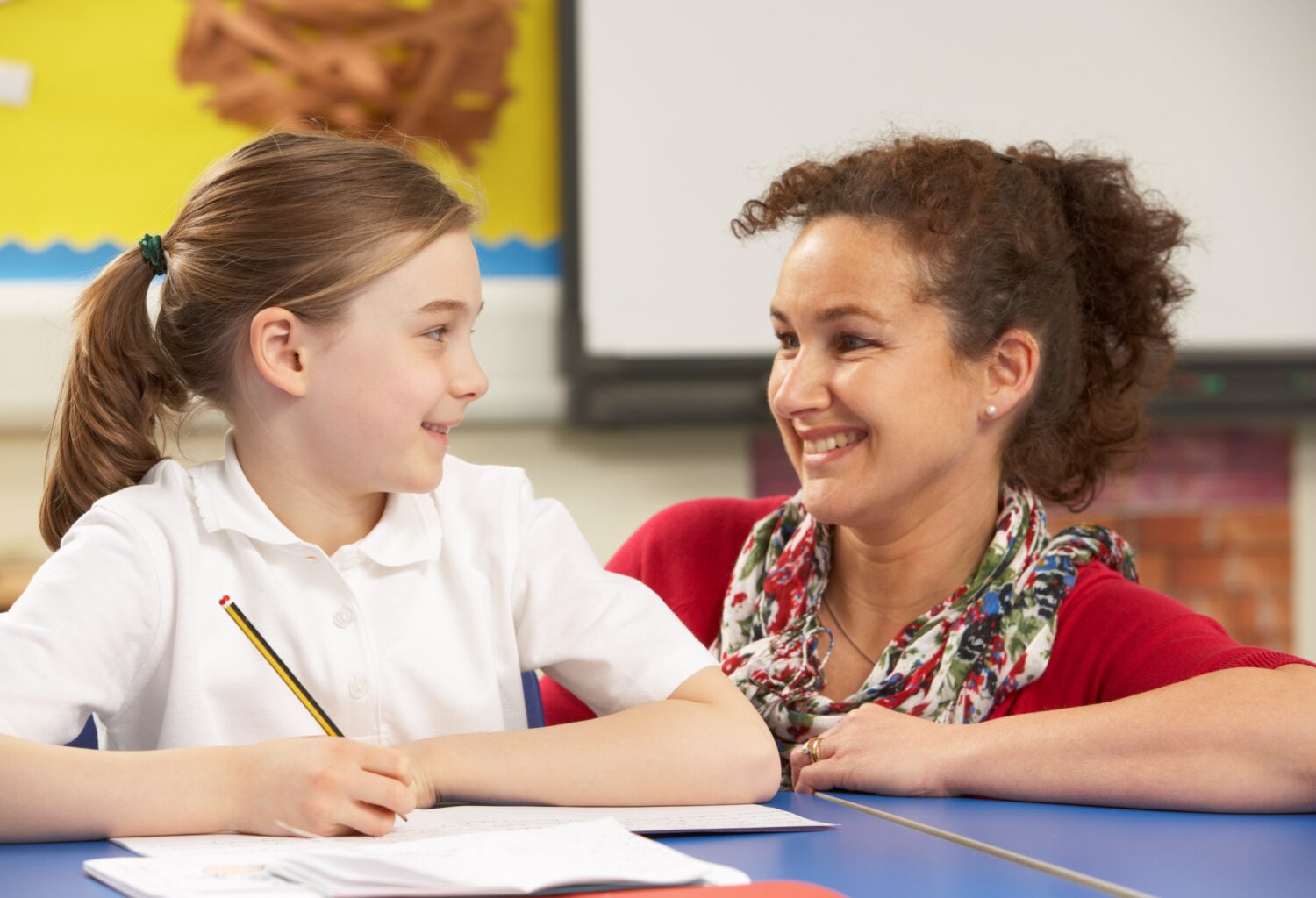
Supporting every learner: creating belonging for children in out-of-home care
3 min read
Explore how independent schools can support children in out-of-home care by creating belonging, strengthening partnerships and supporting wellbeing, learning and educational stability.
Helen Barrett, Principal, Tombolo Academy / 20 August 2026
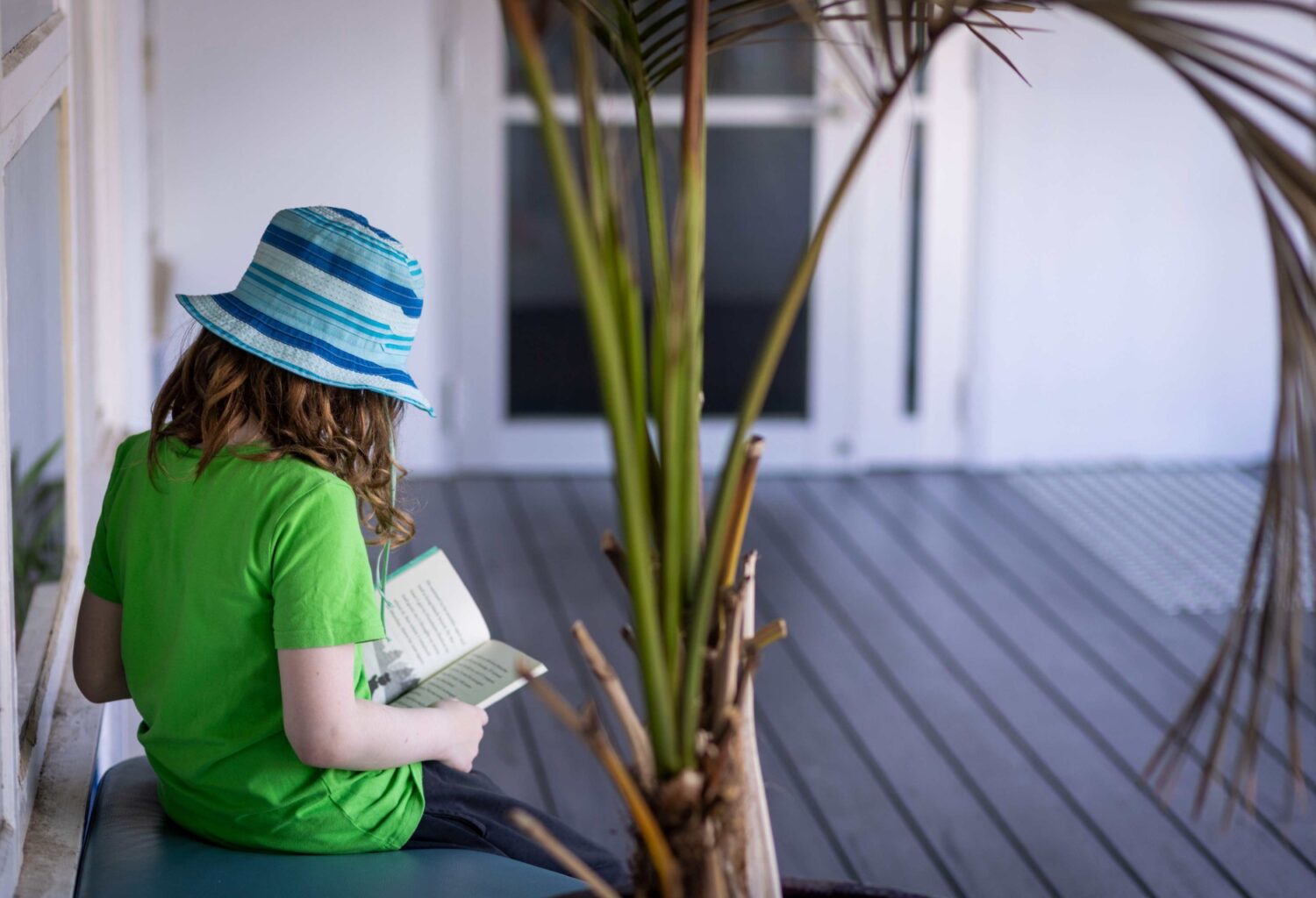
Supporting highly capable neurodiverse students thrive
5 min read
Discover how Tombolo Academy supports highly capable neurodiverse students through strengths-based learning, personalised support, and inclusive environments where students thrive.
Dr Sophie Specjal, Education Research Scientist / 05 August 2026
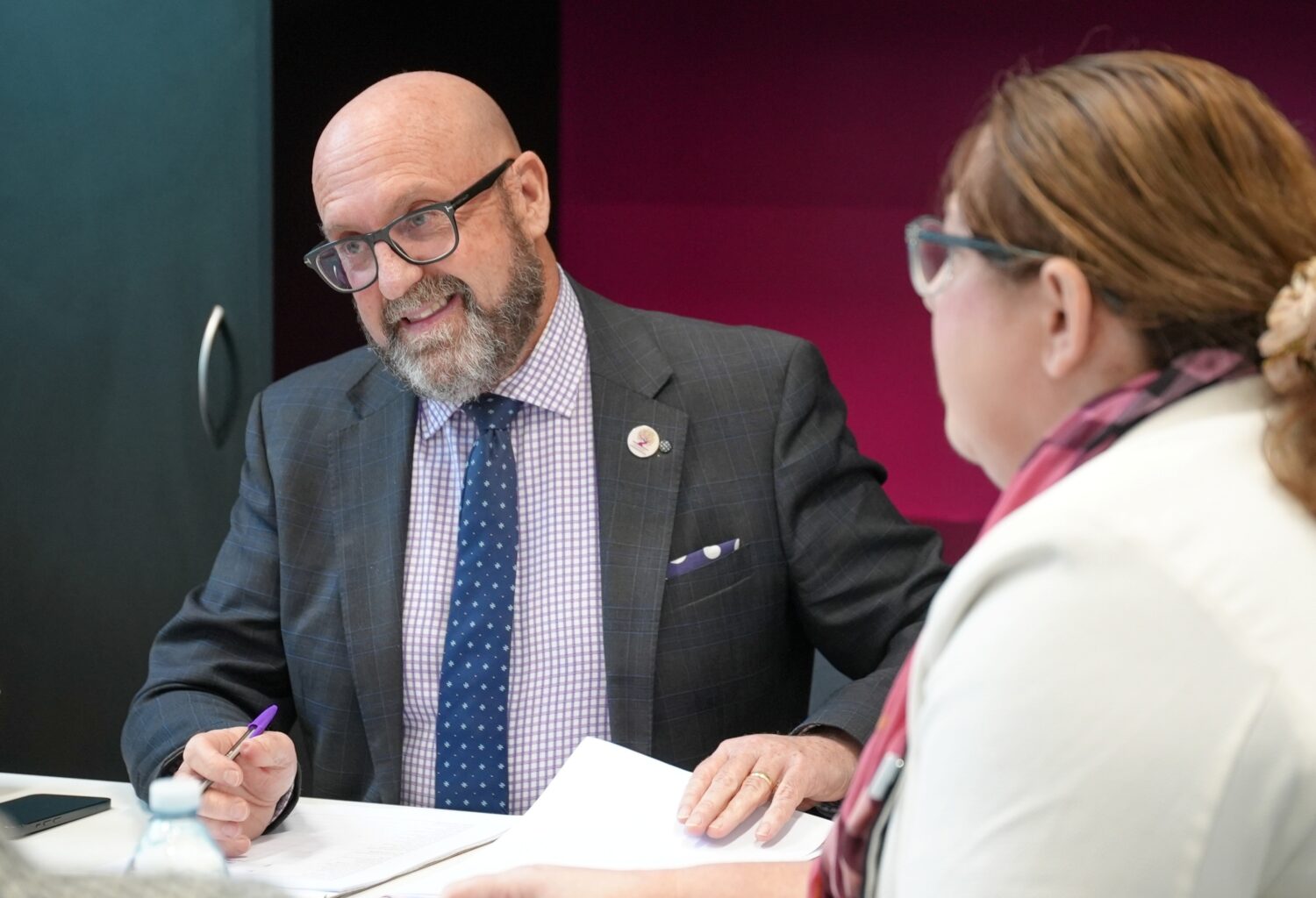
Strengthening school improvement through evidence, voice and contemporary research
2 min read
Discover the reimagined isLEAD School Effectiveness Surveys, providing contemporary, evidence-informed insights to help schools strengthen improvement and student outcomes.