Watching the spark return: why the right school environment matters

3 min read
Education choice and flexibility is really important to my family because while my child may be bright and love learning, he learns best when he has smaller group sizes and a calm environment.
At our local primary school, my son loved any excuse to dress up, whether it was Book Week, Halloween or another special occasion. He had a great group of friends and loved a good joke. In his early school photos he had a joyful smile and sparkling eyes.
He also loved connecting with his teacher, but that sense of relational safety is hard to achieve in under-resourced schools with large class sizes. He feels safest when he knows what to expect each day and when he has a teacher who understands that he may need something different from other students. His needs may be different, but they are not wrong or disruptive.
There are different brains, different ways of learning and different bodies. No one needs exactly the same thing. Humans are naturally diverse.
“He feels safest when he knows what to expect each day and when he has a teacher who understands that he may need something different from other students.”
When the system does not fit every learner
Government schools tend to cater more to mainstream students. There is often one learning model based on standardisation and pressure. My son thrives when, instead of competing with his peers, he is collaborating. He happily supports other students to complete their tasks and is genuinely excited when they succeed.
In our experience, being different from the normal standard or average is often seen as inconvenient. Difference becomes a problem because inclusion is not built into the system. Adjustments for a student can end up ‘othering’ them rather than including them. Some students see any sign of difference as a cue to bully or exclude, which does not create a safe classroom.
If diversity is not taught and celebrated, and adjustments are not available to all, not every student can feel safe at school. Every child deserves to learn in an environment that values them and gives them a genuine sense of belonging.
When burnout replaced joy
My son struggled through grades three to five, and his school photos show the gradual change. The light slowly disappeared from his eyes and his smile became forced. By grade six he was so burnt out that instead of being a buddy for a prep, taking on leadership roles and enjoying graduation, he could not even walk into the classroom.
The entire year was spent recovering at home on the couch, wrapped in a blanket. Learning only happened on his terms and in his time. He built countless Lego sets, which acted as a form of mindfulness, and created elaborate Minecraft worlds, flags and maps. He even built Minecraft versions of his Lego creations.
While building, he watched YouTube videos and developed a deep interest in geography, geopolitics and colonialism.
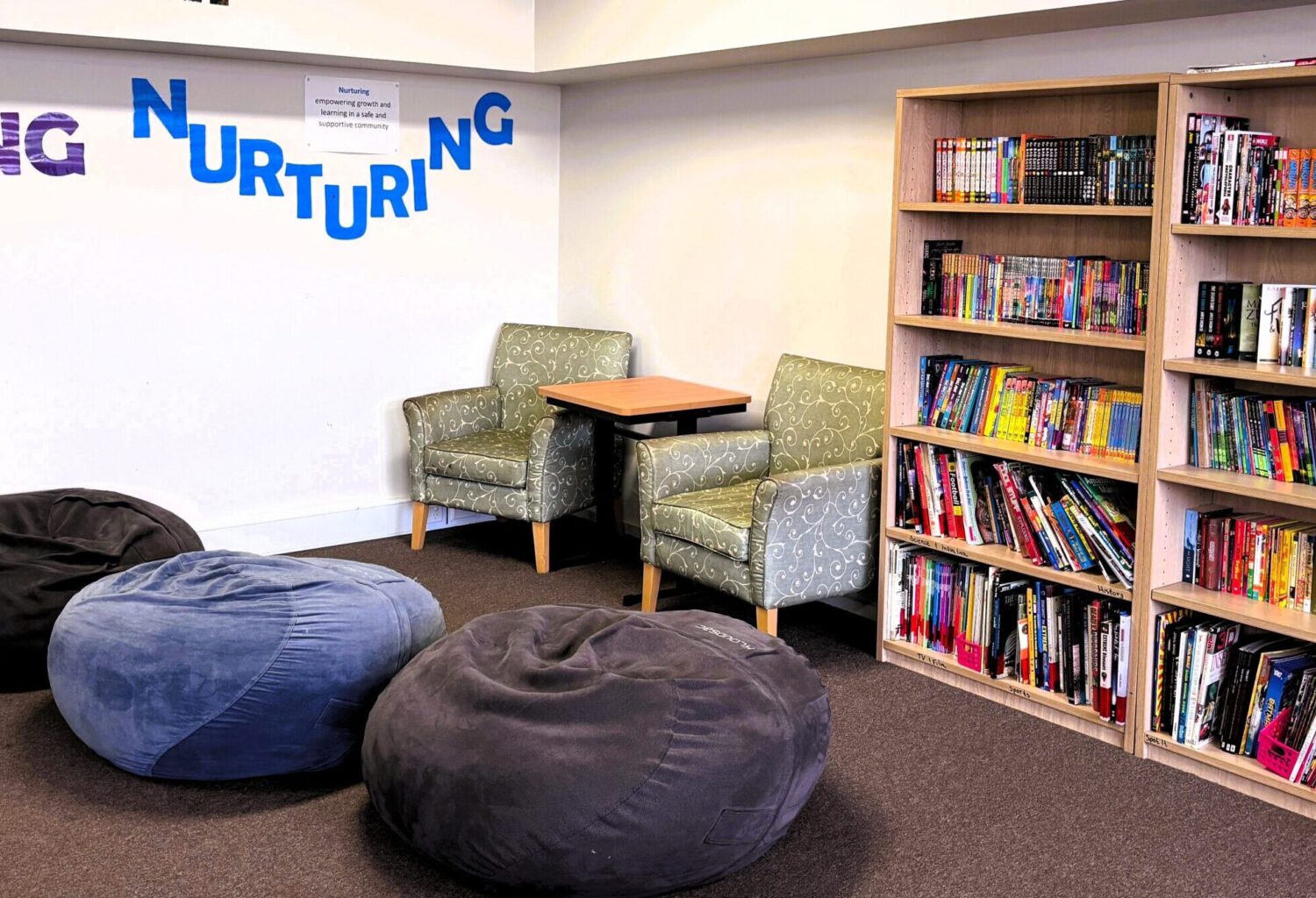
The large local secondary school was simply not an option, so after a lot of research we found his current school, a small Independent special assistance secondary school.
“By grade six he was so burnt out that instead of being a buddy for a prep, taking on leadership roles and enjoying graduation, he could not even walk into the classroom. The entire year was spent recovering at home on the couch, wrapped in a blanket.”
Why the right school matters
This is why Independent schools, including special assistance schools, are essential. Schools where trauma-informed and neuro-affirming practices are built in. Schools that foster strong student-teacher connections and mutual respect rather than hierarchy. Schools that create environments where students receive what they need to learn and thrive, and where wellbeing comes before grades.
Finding the right school
I love that my son’s school welcomes students exactly as they are. All they need to bring is themselves. Laptops, equipment and even lunch are provided, and excursions come at no extra cost.
Teachers are well trained and committed to creating a learning environment that supports all students, something that is possible with smaller class sizes. Students are encouraged to be their best rather than compete against each other in a high-pressure exam environment.
My favourite part of the day is picking my son up from school and hearing him happily talk about the exciting and funny things that happened.
There are still challenging days, but the sparkle has returned to his eyes. And for our family, that is everything.
Want to know more about the school?
Berengarra School is an Independent secondary school in Melbourne providing an alternative education for students who are disengaged from mainstream education.
Related Articles
Sarah Dunn, ISV's School Services Advisor / 11 March 2026
Beyond the school office: Risk and compliance in action
2 min read
Risk and compliance in Independent schools now drive governance, safety and trust, shifting from policy checklists to proactive management.
Nigel Bartlett, ISV's Funding and Accountability Manager / 10 February 2026
What business managers need to know for Term 1
Three things you should know to prepare for the first school Term
By Sarah Verdaguer, Head of Junior School at Strathcona Girls Grammar / 21 January 2026
How to get your prep ready for starting school
3 min read