The science behind the play: Challenging the 'but they’re just playing' myth

3 min read
'I know worms can help the garden; I just don’t know how.'
This child’s reflection set something in motion at Lowther Hall Kindergarten. Over the next 25 weeks, children would investigate worms, question their own theories and discover how their actions could contribute to a healthier garden. They were not simply learning about the natural world; they were beginning to understand how they could care for it.
Our inquiry, guided by the question ‘What is so special about worms?’, connected to a broader teacher research question: How can we create a culture that empowers children to be agents of change? Earlier in the year, children had shared ideas about making the world a better place, including cleaning up rubbish and protecting nature. The worms offered an opportunity to turn these aspirations into meaningful action.
When play becomes scientific inquiry
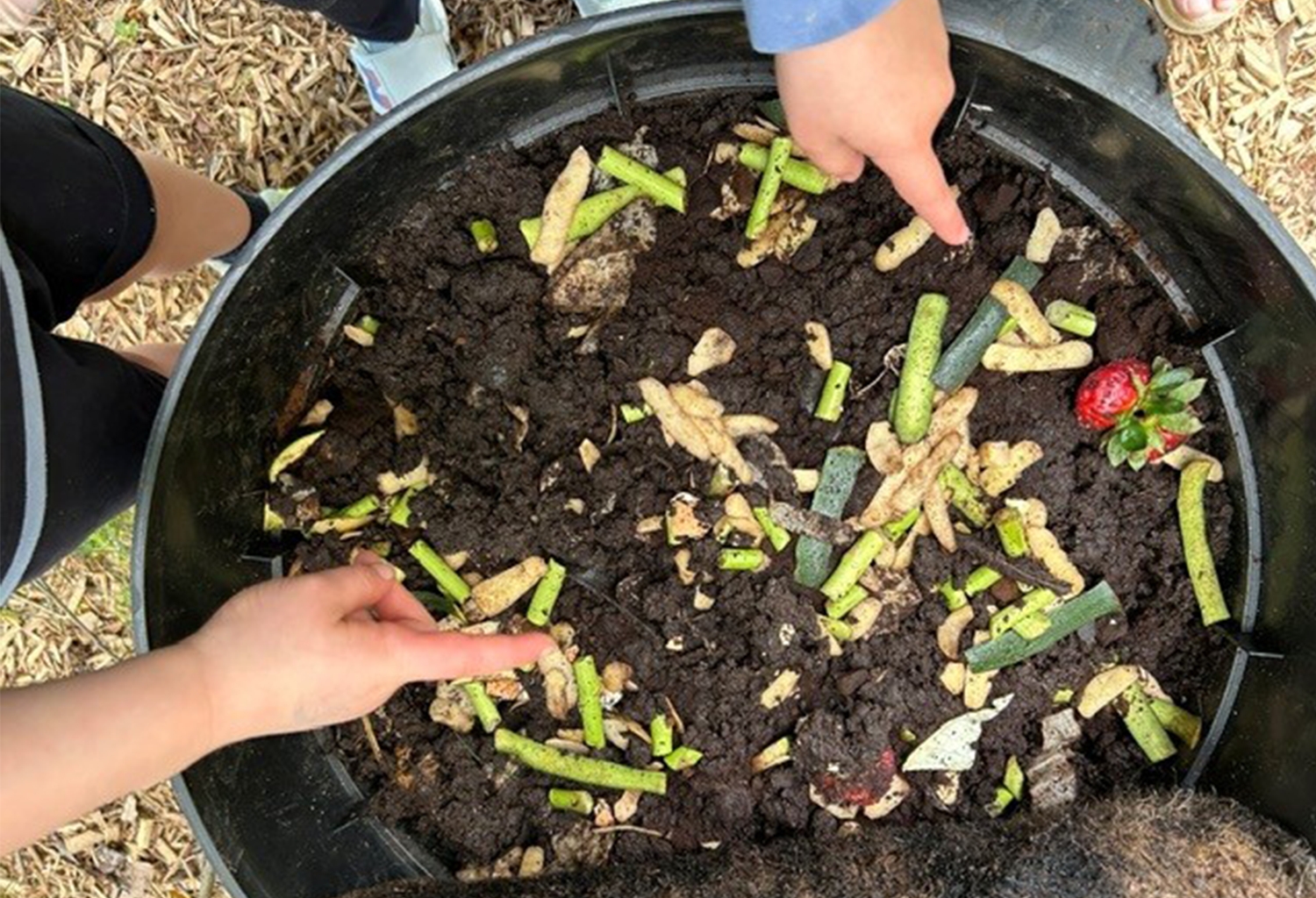
With educator support, children established a worm house and began investigating how worms contribute to healthy gardens. They proposed that worms might make the soil ‘soft’ and ‘healthy for the plants’. Rather than supplying answers, we invited children to test their ideas through observation, discussion and ongoing care.
Caring for the worms became part of daily life. Children researched what worms eat, fed them scraps from morning tea and lunch, and monitored the worm house for changes. They wondered how worms found food without eyes and how such small creatures moved through soil.
Their theories informed their decisions. Children created posters explaining what worms could eat. One reasoned that food needed to be chopped into smaller pieces because worms were small and had no teeth. Their investigations were shaping not only what they understood, but how they acted.
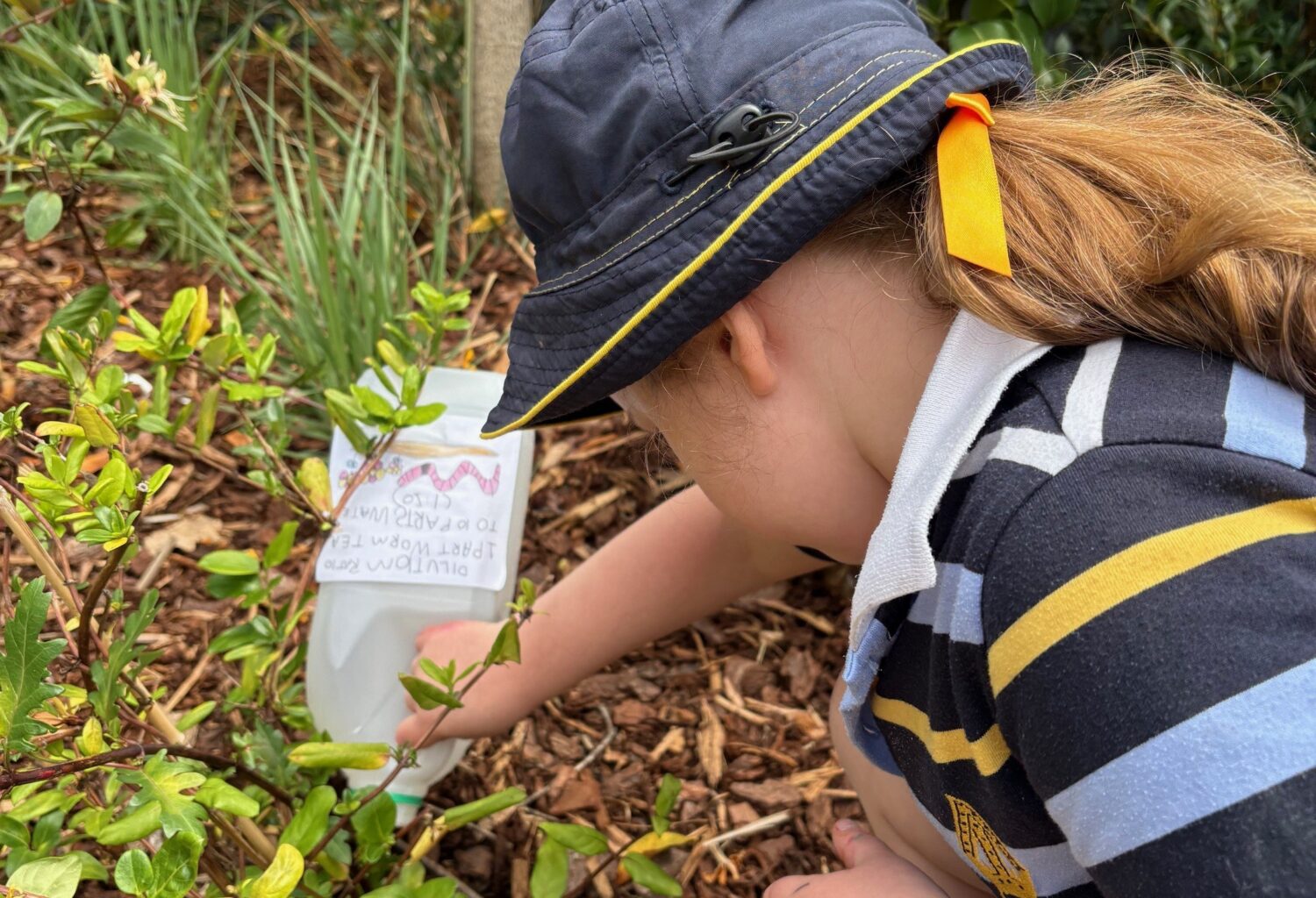
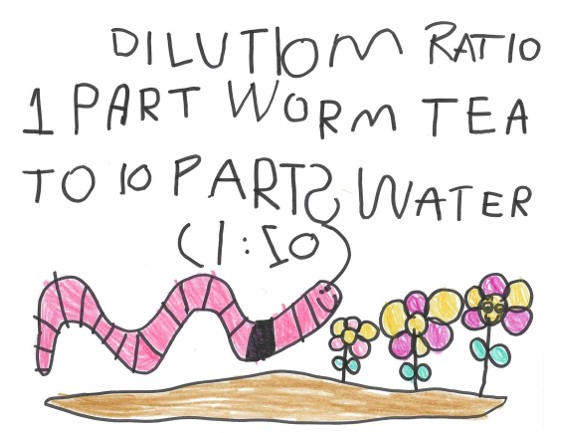
For weeks, children checked the container, waiting for worm tea to collect. When it finally appeared, their excitement was unmistakable. They learnt to dilute it and use it to nourish the garden. ‘I’m feeding the plants with worm tea!’ expressed a growing understanding that their actions could make a difference.
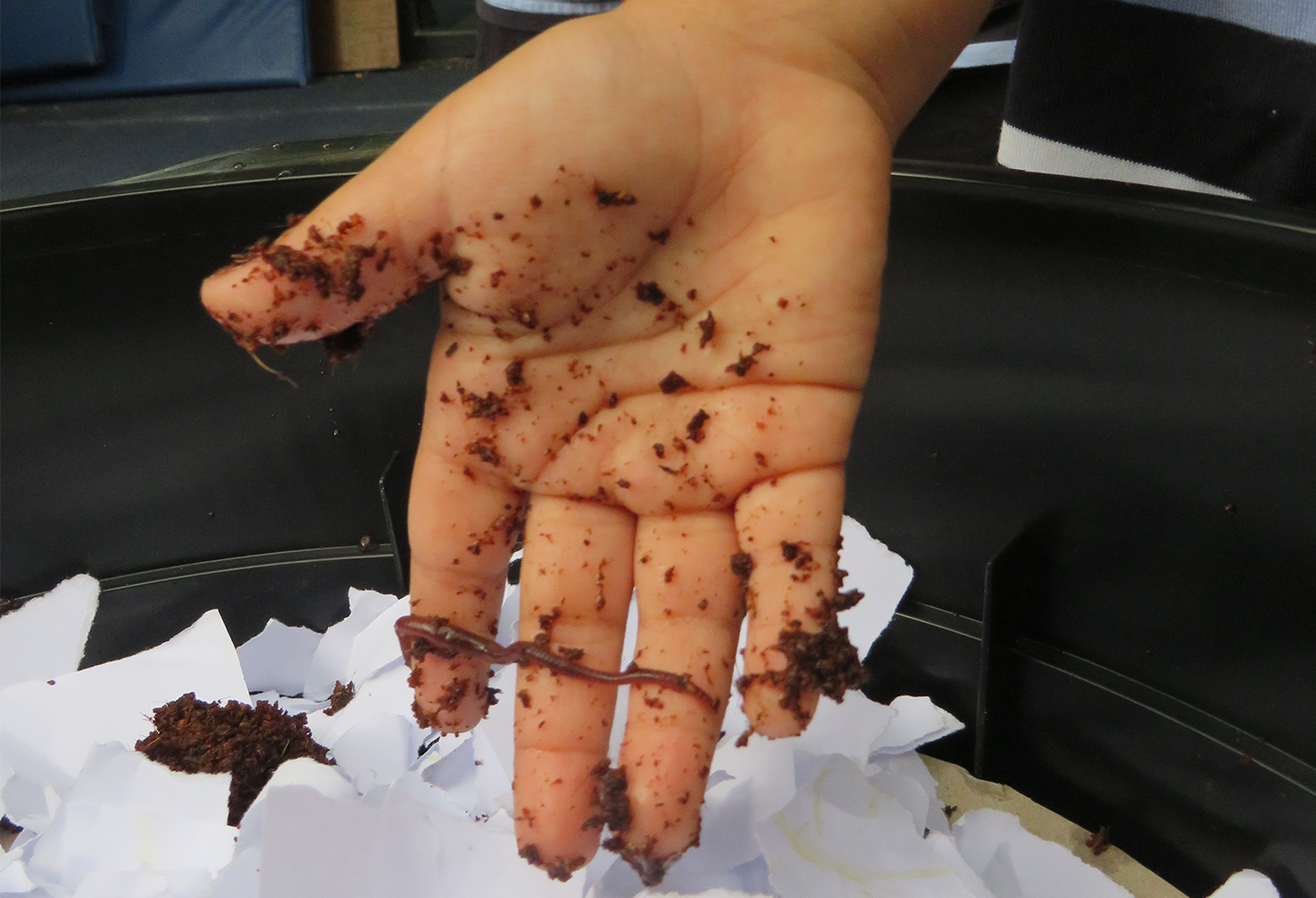
The inquiry extended beyond the worm house. Children examined worms with magnifying glasses, recorded observations through drawing, modelled worms with clay and explored their movements through dramatic play. Time-lapse photography and stop-motion animation helped them observe and communicate their ideas. At Bush Kinder, they compared worms and millipedes, noticing differences in their bodies and movement.
These experiences reflected our Reggio Emilia inspired understanding that children construct knowledge through the hundred languages—including dialogue, movement, drawing, modelling and technology. Families also shared discoveries from home, extending the investigation beyond kindergarten.
Challenging gender stereotypes in the early years
As a K–12 all-girls school, we recognise the importance of challenging gender stereotypes before they shape children’s perceptions of what they can achieve.
During our inquiry, one child observed, ‘Only boys play in mud.’ Her comment invited us to consider where these ideas come from and how they might shape what children believe they can explore and become.
Early experiences help shape whether children see themselves as scientists, engineers, innovators and problem-solvers. Our commitment extends beyond offering STEM activities. It means creating a culture where children’s questions are valued, their theories taken seriously and their ideas given time to develop.
“Through open-ended, play-based investigations, girls can experiment, take risks, collaborate and pursue their own theories. They discover that science belongs to everyone who is curious enough to investigate.”
At Bush Kinder, extended time immersed in nature allows curiosity to flourish. We want every child to feel confident asking ‘Why?’, imagining ‘What if?’ and recognising that they can contribute to change.
From curiosity to agency
Revisiting our original question, children concluded that worms eat scraps, contribute to healthy soil and produce worm tea that nourishes plants. Watching their bean plants grow connected their discoveries with the living world around them.
The inquiry’s significance extended beyond learning about worms. Children experienced how questions lead to investigation, theories can be reconsidered and collective action can contribute to environmental wellbeing. A new cohort has taken up the responsibility of caring for the worms and our evolving gardens, carrying this culture of inquiry and care forward.
Meaningful STEM learning can begin with a worm in the garden. When teachers create the conditions for children to ask questions, investigate possibilities and act on their discoveries, play becomes a powerful pathway to scientific thinking, environmental responsibility and agency.
Related Articles

Vicky Gemmell, Acting Principal Consultant, ISV / 16 November 2026
Embracing neurodiversity: A risk and compliance perspective
8 min read
Explore how schools can support neurodivergent staff, reduce workplace risks and foster inclusive, psychologically safe working environments.

Joanna Baker, Head of Campus, Haileybury Pangea / 11 November 2026
How single VCE subjects could be a game-changer for students who want to boost their ATAR
3 min read
Discover how studying single VCE subjects after Year 12 can help students improve their ATAR, meet university prerequisites and pursue their career goals.
Andrew Peach, Head of Outdoor Education, Woodleigh School / 22 October 2026
A tolerance for uncertainty
3 min read
Outdoor education can help young people navigate disappointment, uncertainty and challenges, building resilience and confidence along the way.