NAIDOC Week: celebrating the work that happens all year
3 min read
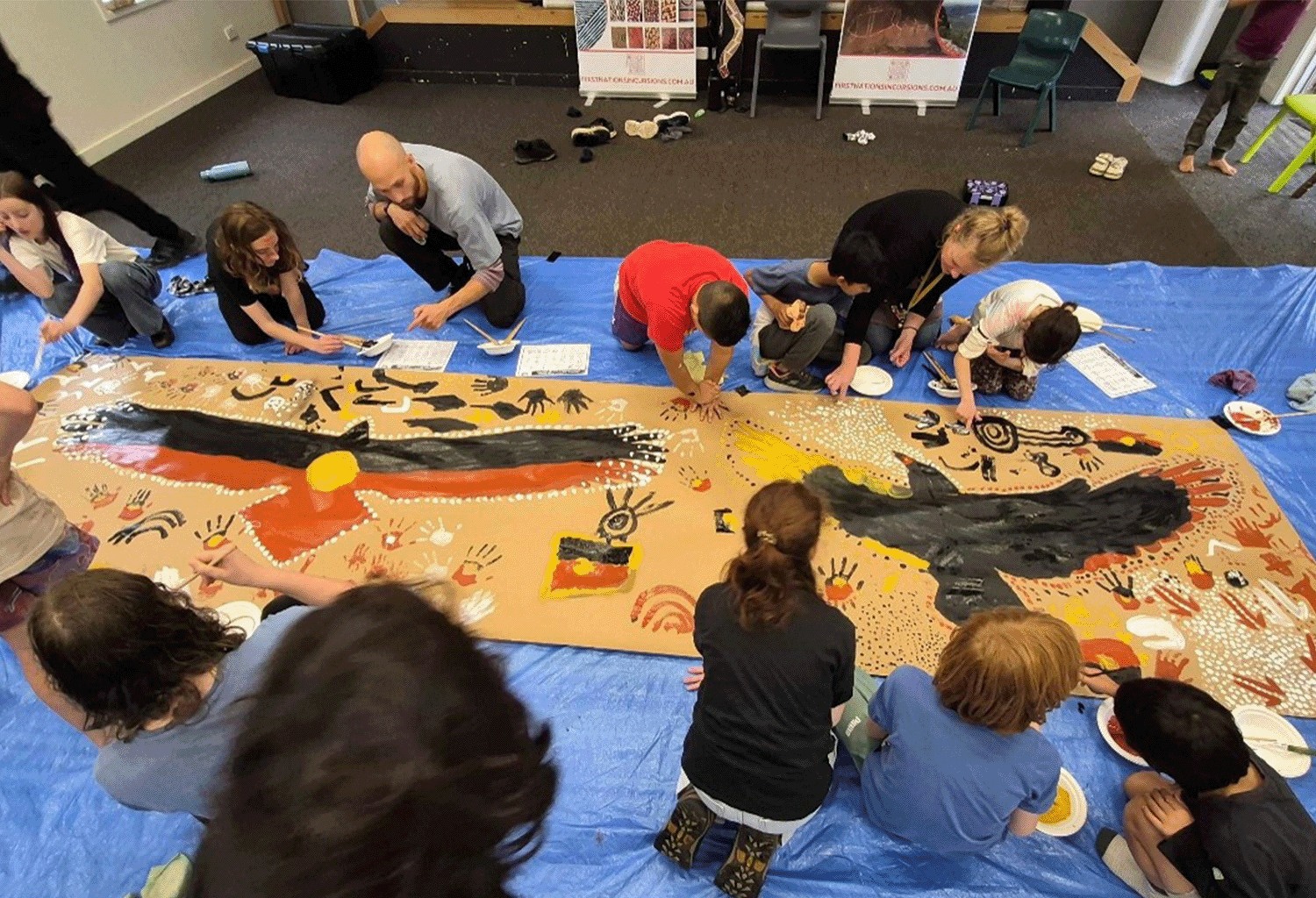
As we celebrate the 50th anniversary of NAIDOC Week, schools across Australia are taking time to honour the histories, cultures, achievements and continuing contributions of Aboriginal and Torres Strait Islander peoples. Classrooms are filled with stories, artwork and conversations, and communities come together to celebrate this important national occasion.
NAIDOC Week gives us a chance to pause and reflect but perhaps more importantly, it reminds us that reconciliation is not something that happens during one week in July. The most meaningful celebrations are those that recognise relationships, learning and action that have been growing throughout the year.
That has certainly been our experience at The Learning Co-operative.
Over the past year, through the development of our Reconciliation Action Plan (RAP), our community has continued to deepen its commitment to reconciliation in practical, authentic and lived ways. Rather than viewing Aboriginal and Torres Strait Islander perspectives as an addition to the curriculum, we have been exploring how they can become part of the everyday life of our school.
Working in partnership with the Wurundjeri Woi Wurrung Cultural Heritage Aboriginal Corporation and our students, we have renamed our buildings and learning spaces using Woiwurrung language. Every day, children use these names as they move through the school, creating a living connection to Country and language. The signs themselves are beautiful clay murals, designed and created by the children with the support of a local ceramic artist. They are more than signs, they are artworks that reflect a shared sense of ownership, belonging and pride.
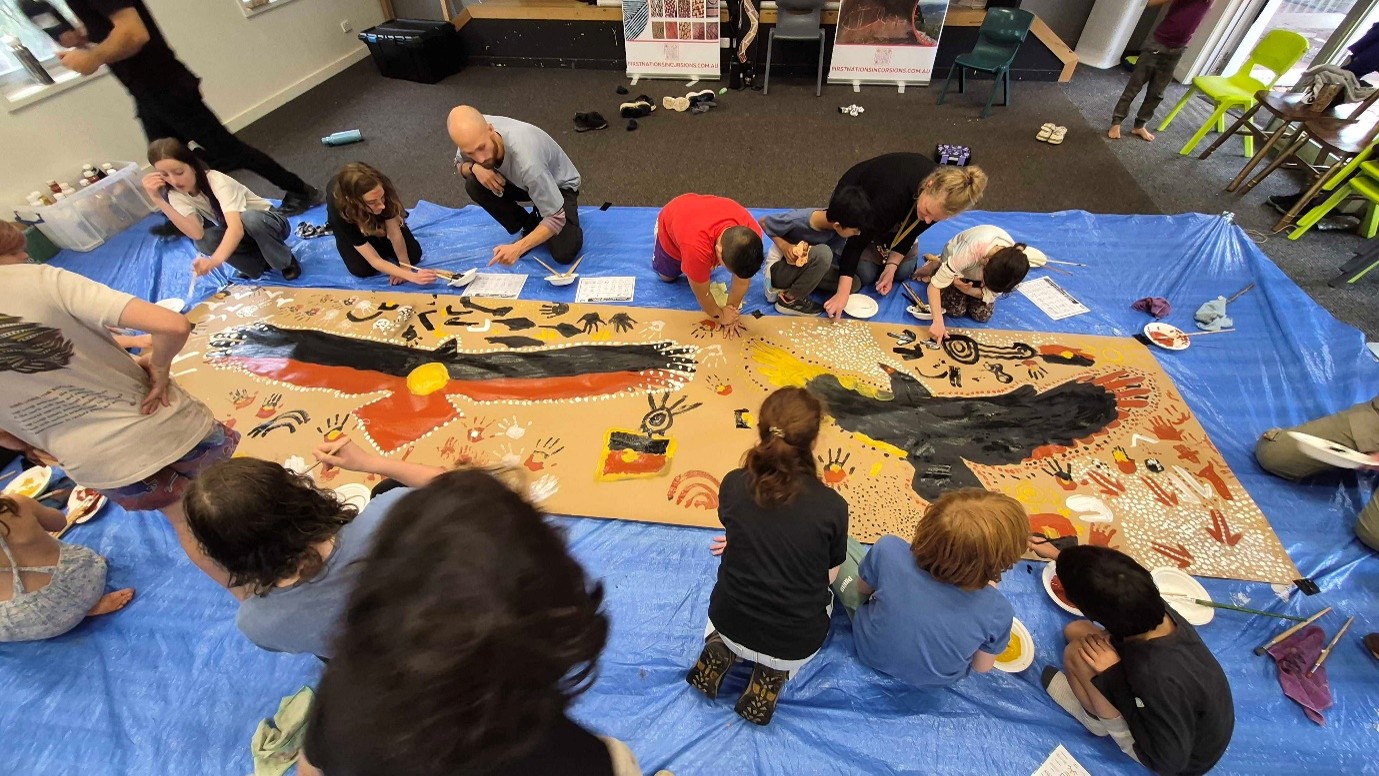
Children have also begun writing and presenting their own heartfelt Acknowledgements of Country at meetings alongside our whole-school acknowledgement. Each one is unique, reflecting their growing understanding of Country, community and respect.
Our library now proudly features a prominent ‘Deadly Reads’ collection celebrating Aboriginal and Torres Strait Islander authors, illustrators and storytellers. These books are not reserved for special occasions, they are woven into everyday reading, discussion and inquiry, ensuring First Nations voices are encountered throughout the year.
Our sustainability work has also become an important expression of caring for Country. Students have led initiatives to reduce waste, establish a pollinator garden, replant native vegetation and create fenced exclusion zones to support biodiversity. These projects have helped children recognise that caring for the environment is not simply an ecological responsibility but also an opportunity to learn from the world’s oldest continuing cultures and their deep knowledge of place.
Learning from community remains central to our approach. Throughout the year, Elders have visited our school to share stories, language, food and culture, while excursions to places of significance for Wurundjeri people have strengthened students’ understanding of the Country on which they live and learn. We have also been building relationships with our local Neighbourhood Reconciliation Group (NRG) in Eltham, hosting joint workshops that bring together members of both communities to learn, reflect and strengthen our shared commitment to reconciliation. We began the school year with a Welcome to Country and smoking ceremony and were privileged to share a similar experience at our recent family camp on Boonwurrung Country.
“Visible reminders of this commitment can be found throughout our school, from our welcoming 'Wominjeka' sign to student weaving inspired by local Aboriginal artists, but the most significant changes are less visible. ”
Visible reminders of this commitment can be found throughout our school, from our welcoming ‘Wominjeka’ sign to student weaving inspired by local Aboriginal artists but the most significant changes are less visible. They are found in the conversations children are having, the questions they ask, the relationships they are building and the growing understanding that Aboriginal and Torres Strait Islander cultures are living, diverse and contemporary.
This year’s NAIDOC theme, The Next Generation: Strength, Vision & Legacy, feels particularly fitting as we celebrate 50 years of NAIDOC. It reminds us that reconciliation belongs not only to governments or organisations but to communities, schools and young people. Every respectful relationship we build, every opportunity to listen, every story we learn and every action we take helps shape the legacy we leave for the next generation.
For us, NAIDOC Week is not the curriculum, it is the celebration. It is an opportunity to recognise the relationships already built, the learning already taking place and the journey that continues every day of the year. Our RAP has shown us that reconciliation is not a destination but an ongoing commitment to listening, learning and walking together with humility and respect.
We hope our students leave our school understanding that reconciliation is everyone’s responsibility, and that the small actions we take, day after day, can help create a more just, inclusive and connected future.
Related Articles

Karen Spiller / 10 March 2017
The PISA blame game
4 min read
Stanley Wang, Deputy Principal (One Haileybury) / 20 May 2026
Why learning a language still matters in the age of AI
5 min read
Exploring why language education remains essential for building cultural understanding, global competence and authentic human connection in an AI-driven world.
James Sach, Head of Pedagogy and Curriculum / 03 June 2026
How Fintona empowers staff to bring up-to-date research into the classroom
3 min read
Fintona Girls’ School partners with UQ Learning Lab to bring education research into classrooms, strengthening evidence-informed teaching and student learning at Fintona.