How to get your prep ready for starting school


3 min read
Starting school is one of childhood’s biggest milestones filled with excitement, curiosity and understandable nerves. It marks the beginning of new friendships, learning spaces, routines and responsibilities, as young learners take their first steps toward greater independence. While it’s natural for children and parents to feel a little uncertain about what lies ahead, gentle preparation and reassurance can help families approach this transition with confidence and ease.
Practice the journey to and from school
Before the first day, it helps to practice the school drop-off and pick-up process. Whether you’re walking, driving or catching public transport, completing the journey together helps your child know what to expect. For young children, familiarity builds confidence, and a few trial runs can make that first morning feel far more predictable and comfortable. Talking about what will happen when you arrive, where they’ll put their bag, and where you’ll say goodbye, helps to reduce uncertainty and sets a calm, confident tone as children settle into their new school.
Encourage independence
The shift to school brings new expectations for independence, which can feel both exciting and daunting. You can support this transition by encouraging your child to practice everyday skills such as dressing themselves, opening food containers, using the toilet independently, and taking responsibility for packing and unpacking their school bag.
These simple activities help children develop fine motor skills, problem-solving abilities, and a sense of agency. Each small success builds confidence and self-esteem which are important emotional building blocks as children begin to see themselves as capable and competent learners.
Establish predictable routines
Children thrive on consistency. In the weeks before school begins, try to establish a daily rhythm that mirrors what school days will look like, with regular times for waking up, meals and bedtime. Predictable patterns help children feel secure and reduce the emotional load that comes with new experiences.
A calm, consistent routine also supports emotional regulation and better sleep, both of which are essential for learning and focus. When mornings feel settled, children arrive at school ready to participate, connect and enjoy their day.
Label belongings and build responsibility
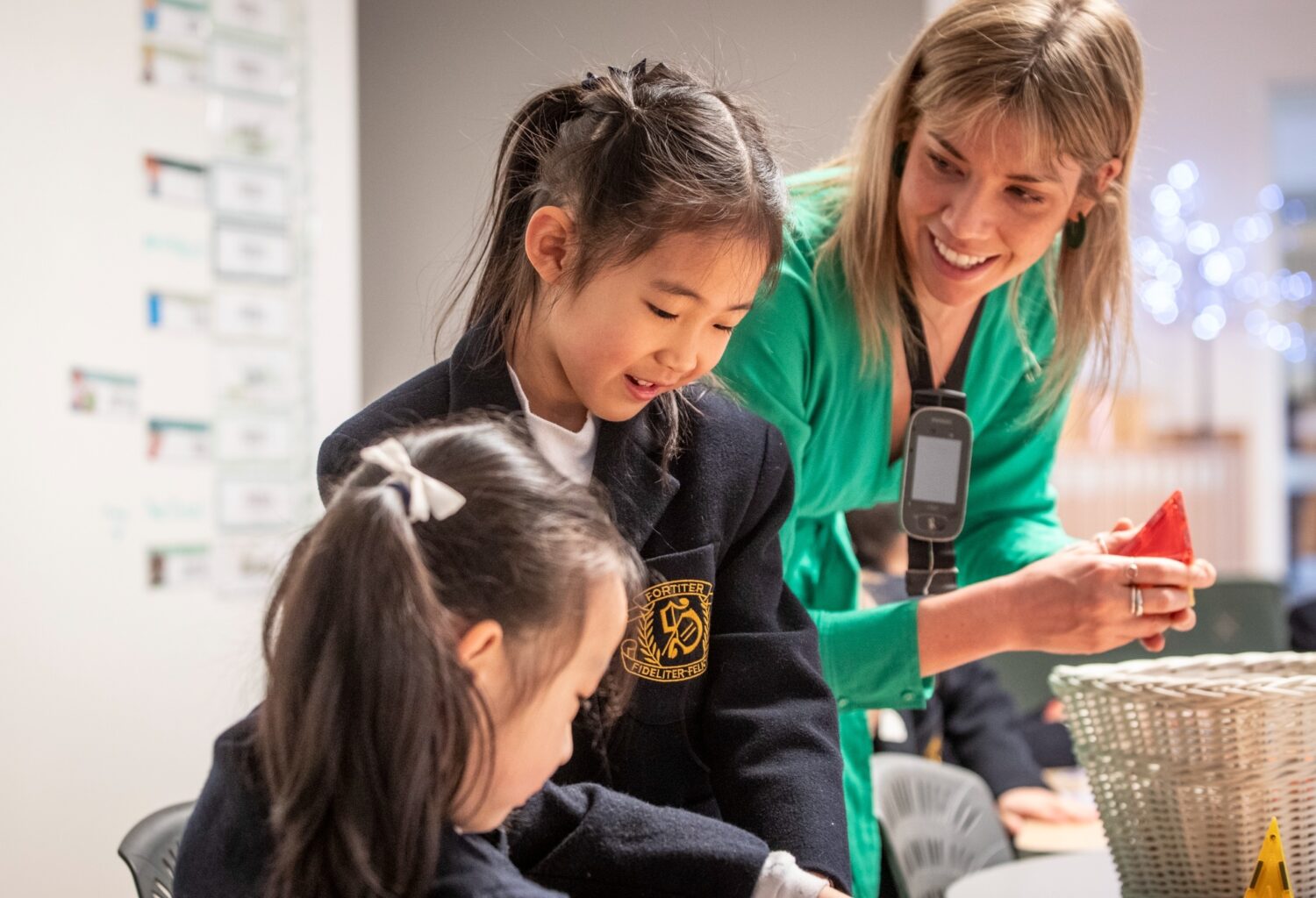
Amid the excitement of new experiences, it’s easy for young children to misplace things. Clearly labelling hats, jumpers and drink bottles not only helps these items find their way home, but also reinforces responsibility. You can involve your child by letting them choose stickers or stamps for labelling so they feel proud to care for their belongings. This sense of ownership supports independence and helps develop early organisational skills.
Be positive to get your child excited
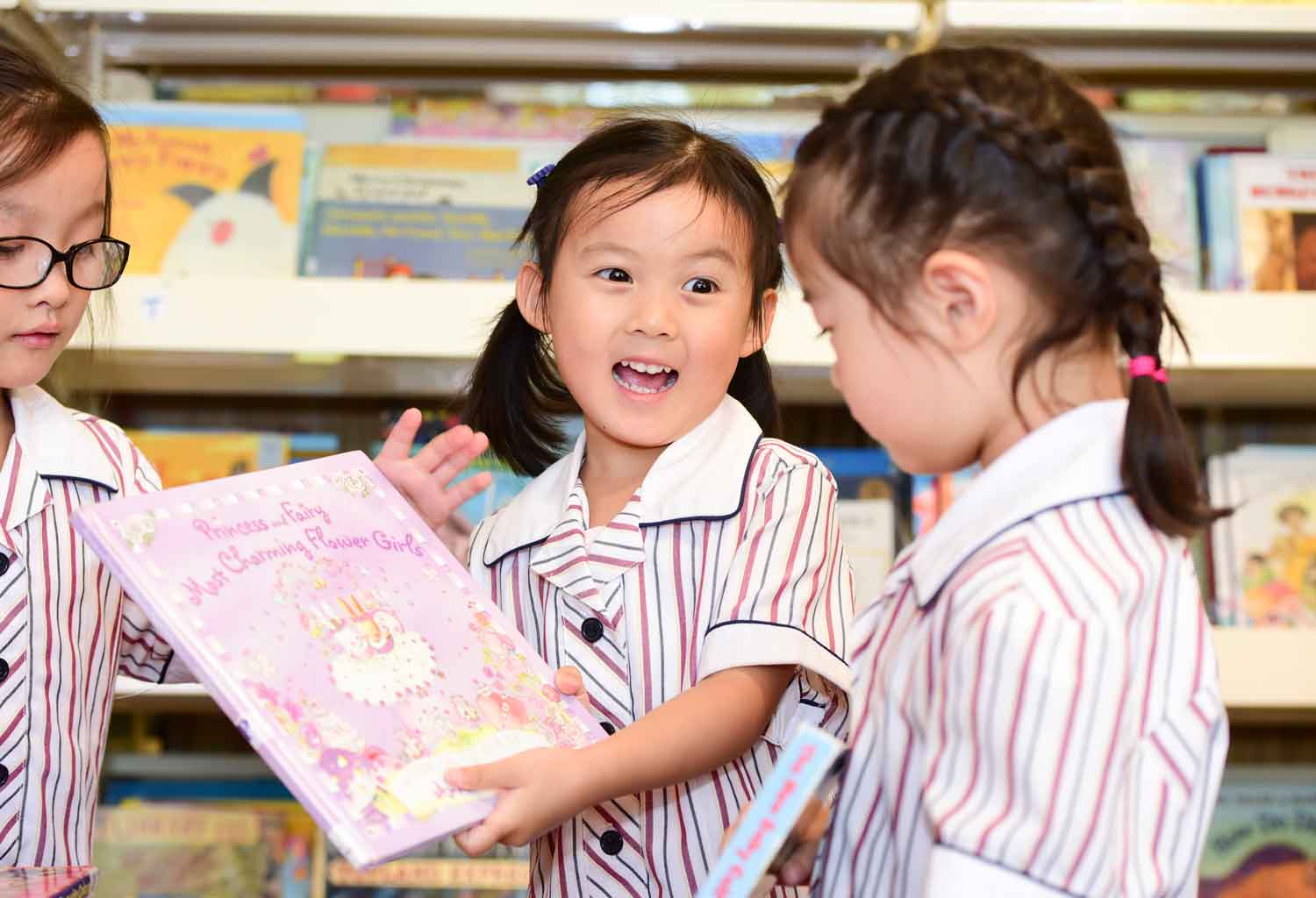
Children take emotional cues from the adults around them. Talking about school in positive, encouraging ways helps them feel more confident and eager to take part. Try sharing stories about what you enjoyed at school or what they might look forward to, like meeting new friends, playing outside at recess or discovering new books.
Staying calm and upbeat communicates that school is a safe, welcoming environment. Even if your child shows a few nerves, your reassurance will help them feel secure and ready to embrace the adventure.
Support healthy nutrition
Nutrition plays an important role in helping children stay focused, calm and energised throughout the school day, so packing balanced snacks and lunches is key. While high-sugar or salty packaged foods can be convenient for busy families, these options often lead to energy crashes that affect learning and emotional regulation. Simple, nutritious choices (such as cheese and crackers, yoghurt, cut-up fruit, vegetable sticks with hummus, or a wholegrain sandwich) help children feel nourished and ready to learn. You can involve your child in choosing and preparing their lunch too, which will encourage healthy habits and a sense of independence.
Expect some tiredness and adjustment
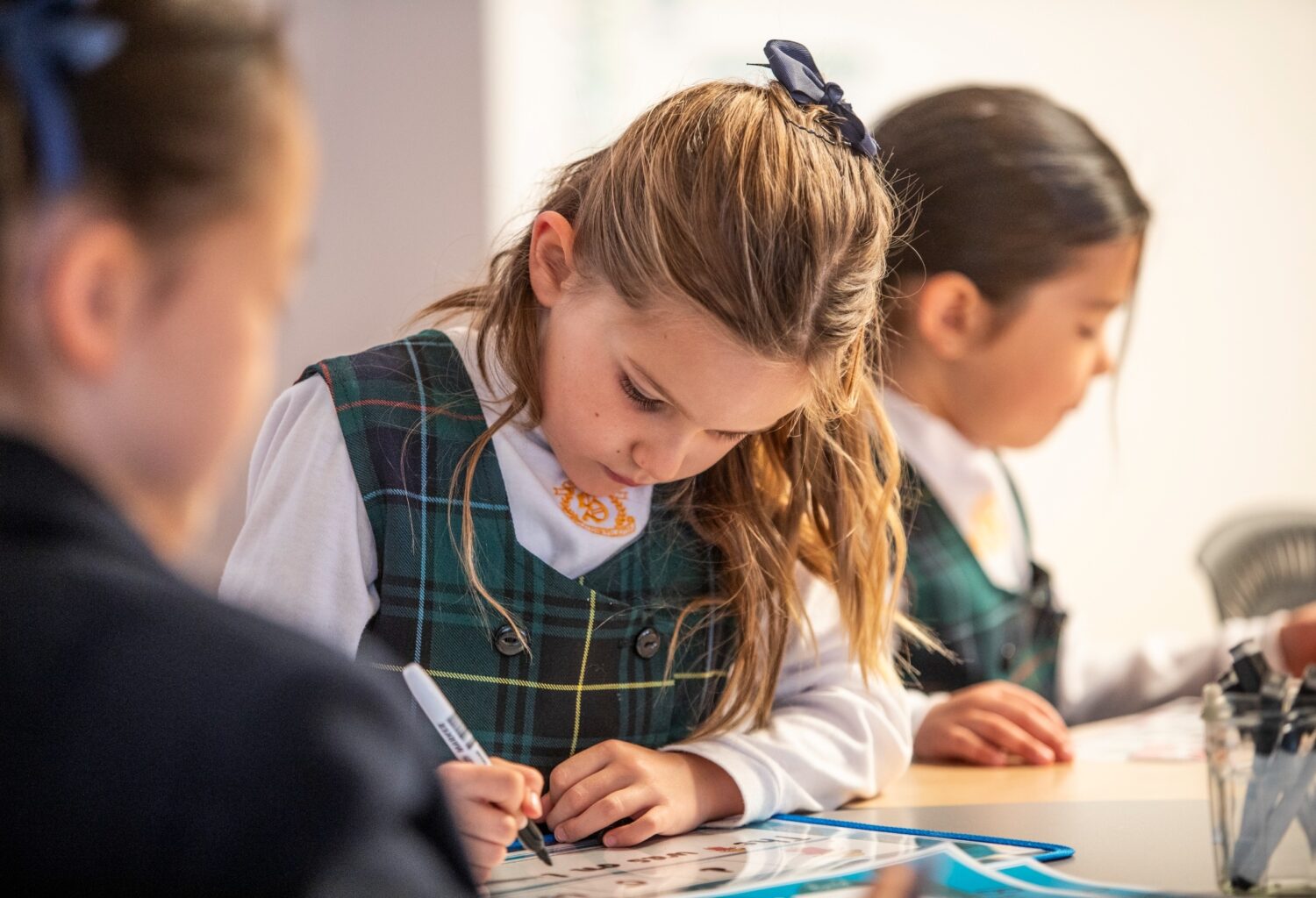
Starting school is a big emotional and physical adjustment. Even children who seem confident in the classroom can come home tired, clingy or emotional in the first few weeks. Learning to manage a full day of activity and social interactions takes time.
Where possible, allow quiet play and rest after school, keep extracurricular commitments light, and aim for early bedtimes to support recovery. If your child has trouble expressing how they’re feeling, patience and gentle reassurance can help them feel heard and supported. And, stay connected with your child’s teacher. If settling in takes a little longer, they can offer insights and strategies to aid your child in feeling more self-assured and comfortable.
A confident start
The transition to school is a milestone filled with growth and discovery. With preparation, structure and steady encouragement, children can approach this new chapter with confidence and curiosity. Parents, too, grow during this time, learning to step back just enough to let their children flourish, knowing that every small act of support helps them build resilience for the years ahead.