Disconnecting to Reconnect

2 min read
The playground is louder now.
Not in a chaotic way – but in the way schools used to sound. Children talking, laughing, arguing over game rules and yes sometimes running when they should be walking. Last week I nearly tripped over a group of students spread out playing UNO in the courtyard.
I notice it every day. The absence of constant phone checking has changed the rhythm of the school. The spaces between lessons are filled with conversation. Students are playing. They are looking up. They are connecting.
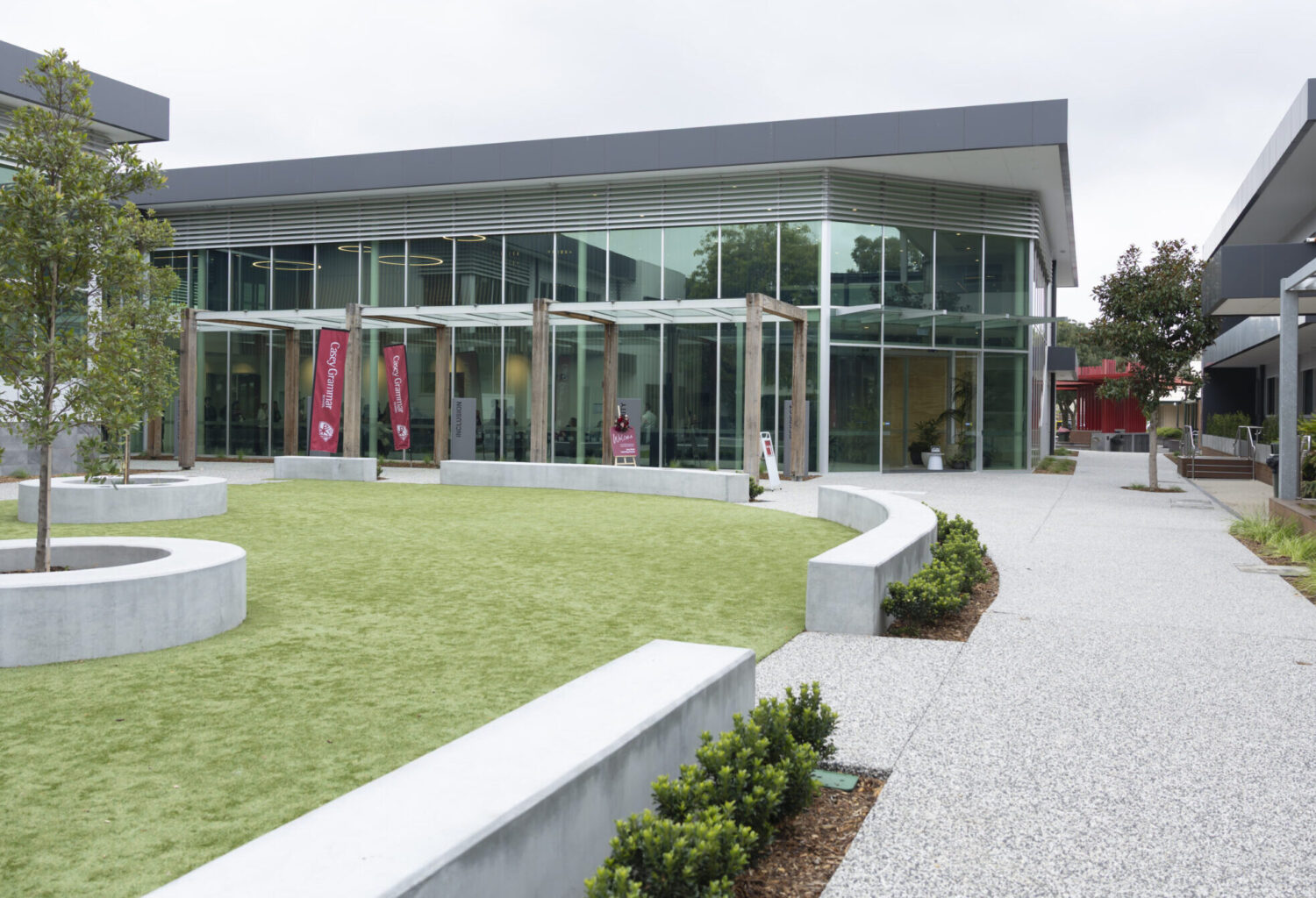
When I made the decision to introduce a device-free policy at Casey Grammar, I did so because morally I could not sit and do nothing knowing what research continues to tell us about the negative impacts of social media on young people.
Technology has undoubtedly changed the landscape of parenting and education. It has created many opportunities, as well as unprecedented challenges for parents and educators as we try to navigate our new world. For students it has sparked a mental health crisis, fractured attention spans and contributed to a wave of learning and social emotional deficiencies.
Our jobs have been, and always will be, to put the education and well-being of our students above all else.
The research also shows that when students are given the opportunity to disconnect during school hours, there are positive effects – on attention, social interaction, and wellbeing.
In just two months, we are seeing this positive impact firsthand at Casey Grammar.
Since the start of the 2026 school year, students from Foundation to Year 10 are not permitted to have mobile devices at school. This includes smart phones, smart watches, screen enabled fitness trackers and wireless connected headphones/earbuds. As a nod to their impending adulthood, students in Years 11 and 12 are trusted to bring smart devices to school, however, they are to be turned off and stored in lockers during the school day.
It was a bold step – but it felt like the right one. I’ve been grateful for the strong support from our staff and parents, and the students have responded better than many might expect. We’ve been clear that there are firm boundaries: if a phone is found, it is confiscated and can only be collected after a meeting with a parent or guardian. What has perhaps surprised us most is how little pushback there has been. Our families have responded with understanding, and some have even told us they are reviewing and strengthening device rules at home as well.
It’s a collaborative effort – as adults with children in our care, at home and at school, we must set boundaries.
This is not about rejecting technology. Technology is deeply embedded in our world and will be part of our students’ futures. Rather, it is about teaching young people that they do not need to be constantly available, constantly scrolling, or constantly responding in order to belong.
School should be one of the places where students can simply be present – with their teachers, their friends, and their learning.
And sometimes, that means a louder playground.
Related Articles

By Sarah Verdaguer, Head of Junior School at Strathcona Girls Grammar / 21 January 2026
How to get your prep ready for starting school
3 min read
Nigel Bartlett, ISV's Funding and Accountability Manager / 10 February 2026
What business managers need to know for Term 1
Three things you should know to prepare for the first school Term
Rachel Holthouse / 06 November 2025
Separating fact from fiction: The Real Impact of Independent Schools
2 min read